Here’s the paradox about Japan: it’s expensive. Meals cost more, hotels cost more, attractions add up. But then you walk into a Book-Off or Second Street and find designer bags for ¥3,000, complete manga series for ¥500, vintage Levi’s in perfect condition for ¥2,000. Japan’s second-hand shops taught me that “used” doesn’t mean “worn out” — here, it often means “basically new.”
The secret is Japanese consumer culture. People take meticulous care of their belongings, upgrade frequently, and have limited storage space. The result? High-quality used goods flooding the resale market at prices that make budget travelers very happy. Add Japan’s obsession with cleanliness and organization, and you get thrift stores that feel more like boutiques than dusty charity shops.
This is treasure hunting, not guaranteed bargains. Some days you leave empty-handed. Some days you strike gold and spend the next hour texting photos to friends asking “can you believe this was ¥800?” Here’s where to dig.
Book-Off — The Gateway Drug
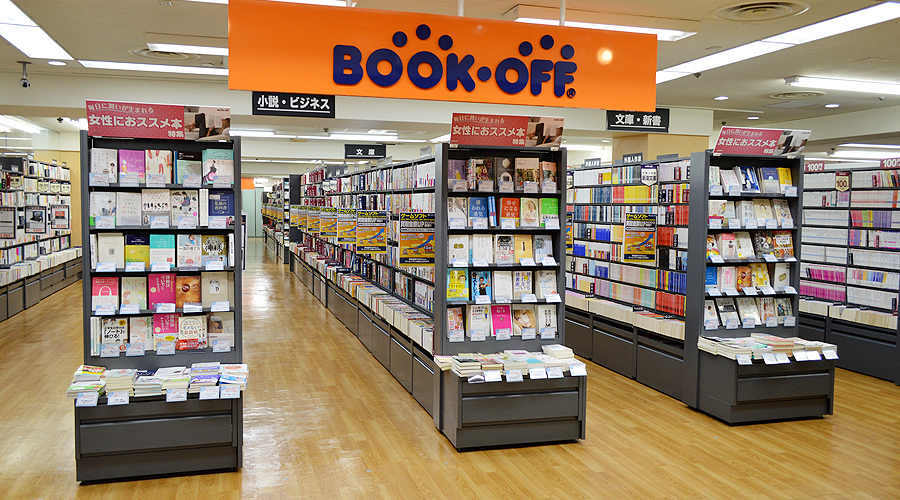
Japan’s largest second-hand chain with over 800 locations nationwide. Bright yellow and blue signage makes them impossible to miss. Clean, organized, well-lit — nothing dingy about these stores. They use a condition-based pricing system with everything clearly marked.
Despite the name, Book-Off sells way more than books: manga, CDs, DVDs, video games, and many locations (especially SUPER BAZAAR stores) also sell clothing, electronics, branded goods, even furniture.
What You’ll Find
Manga and Books: Complete manga series for a fraction of new prices. Japanese books often ¥110–300 (yes, really). Some English books at larger locations. Art books, photography books, vintage magazines. The ¥110 corner is where treasure hunters live — I once found a rare architecture book there that sells for ¥3,000 new.
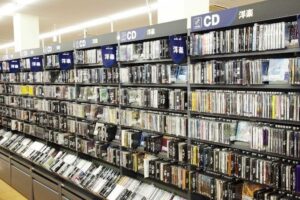
CDs and DVDs: Japanese music albums ¥300–1,000, anime DVDs, J-pop, rock, and city pop (currently having a global revival). Condition is usually excellent. Note: region coding matters for DVDs.
Video Games: Retro games (Famicom, Super Famicom, PlayStation), recent games at discount, portable games (Nintendo DS, Switch). Condition ranges from “like new” to “well-loved.” Price-check before buying — some aren’t actually cheaper than new.
Branded Goods (SUPER BAZAAR locations): Authenticated designer bags (Louis Vuitton, Gucci, Coach, Prada), watches (Rolex, Omega, G-SHOCK), clothing, smartphones, cameras. All items authenticated by staff before purchase.
Shopping Strategy
Visit multiple locations — inventory varies wildly by store. Large SUPER BAZAAR stores have better selection. Check condition grades carefully (A = excellent, B = good, C = acceptable wear). The ¥110–500 sections offer best value. Bring cash (many locations accept cards now, but not all). Time needed: 30 minutes to 3 hours — easy to lose track.
Best Tokyo Locations
- Shibuya: Huge, convenient, but picked over by tourists
- Ikebukuro: Multiple stores, excellent for anime/manga
- Akihabara: Gaming focus, competitive pricing
- Shinjuku: Several locations, quality varies
- Suburban locations: Better deals, less tourist traffic
Best souvenirs to buy at Book-Off: Manga (even if you can’t read Japanese, the art is gorgeous), Japanese music CDs, art books, vintage magazines, retro games if you have compatible systems.
Price range: ¥110 (bargain bin) to ¥5,000 (newer/rare items). Branded goods much higher.
Tax-free shopping: Available at select locations for tourists (¥5,000+ purchases, passport required).
Second Street (セカンドストリート) — Beyond Books
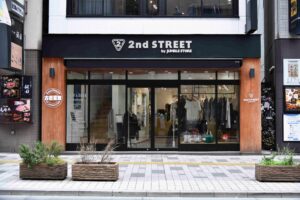
Second Street focuses on clothing, accessories, and lifestyle goods. Over 900 stores nationwide (plus overseas expansion). Bigger stores, more spacious layout. Mix of budget finds and high-end designer items. Feels more like a department store than a thrift shop.
Clothing and Fashion
What you’ll find: Japanese streetwear (A Bathing Ape, Comme des Garçons, Visvim, Neighborhood), international designers (Gucci, Prada — at a fraction of retail), vintage denim, casual brands (Uniqlo, GU), traditional items (kimono, yukata), shoes, bags, accessories.
Condition: Generally excellent. Grading system like Book-Off (A, B, C). Some items still have tags — never worn. Stains or damage clearly noted on tags.
Sizing: Japanese sizes run smaller. Always check measurements and try things on (fitting rooms available). Men’s large often equals Western medium. Shoes tend to run narrower.
Typical Prices
- Basic clothing: ¥500–2,000
- Japanese brand pieces: ¥2,000–8,000
- Designer items: ¥4,000–30,000+
- Accessories: ¥1,000–15,000
You won’t find bargains every visit, but when you do, it’s worth all the browsing. I once found Visvim boots (retail ¥80,000) for ¥15,000 in perfect condition.
Specialty Shops and Other Chains
Vintage Clothing by Neighborhood
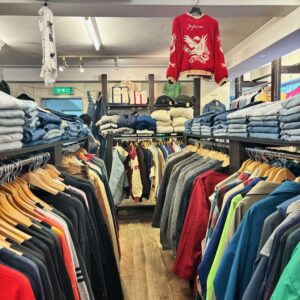
Shimokitazawa — Vintage Paradise: The go-to area for vintage clothing in Tokyo. Multiple shops on winding streets, laidback bohemian vibe. Don’t miss Stick Out (everything ¥800) and New York Joe Exchange (American vintage).
Koenji — Punk & Alternative: Edgier than Shimokitazawa, cheaper prices, punk/rockabilly aesthetic. About 10 minutes from Shinjuku on the JR Chuo Line.
Harajuku — Trendy & Curated: Higher prices but carefully curated selection. Youth fashion epicenter, mix of vintage and contemporary secondhand.
Nakameguro — Upscale Vintage: Selective curation, higher prices, sophisticated aesthetic along the canal.
Price range: ¥2,000–30,000+ depending on rarity and shop curation.
Mandarake (まんだらけ) — Otaku Paradise
Multiple stores focused on anime, manga, and collectibles. Nakano Broadway (Tokyo) is the flagship; also in Akihabara, Ikebukuro, and Osaka.
What you’ll find: Vintage manga, anime cels and production art, action figures, idol merchandise, doujinshi (fan-made manga), rare collectibles.
Best for: Anime/manga fans, collectors, nostalgia seekers. Time needed: 1–3 hours easily.
Hard-Off (ハードオフ) — Electronics & Music
Sister chain to Book-Off. Focus: electronics, music equipment, tools, hobby items. Over 1,000 stores across Japan.
What you’ll find: Audio equipment (turntables, speakers, amplifiers), cameras (film cameras, vintage lenses), musical instruments, tools, retro electronics.
Important: Test equipment when possible. Power voltage is 100V in Japan (different from most countries). Great deals exist but require some knowledge.
Hard-Off Sub-Brands
- Mode Off: Designer fashion at lower prices
- Hobby Off: Anime, manga, collectibles, trading cards
- Garage Off: Car/bike parts, sporting goods, bicycles
- Liquor Off: Japanese beer, sake, spirits, wine, whiskey
Treasure Factory (トレジャーファクトリー)
Similar vibe to Second Street. Clothing, accessories, lifestyle goods. Sometimes cheaper. More neighborhood-focused locations. Good furniture sections.
What to Buy (and Skip)
Best Buys
- Manga — Complete series ridiculously cheap. Collectible even if you can’t read Japanese.
- Japanese Fashion Brands — Visvim, Neighborhood, Wtaps, Kapital. Hard to find overseas, 50–70% off retail.
- Vintage Denim — Japan’s obsession with quality denim means excellent selection.
- Traditional Items — Kimono, haori jackets, obi belts ¥1,000–5,000. Make great wall hangings.
- Designer Bags — Authenticated luxury brands, excellent condition, 30–60% off retail.
- Retro Gaming — Famicom, Super Famicom games much cheaper than the overseas retro market.
- Music (CDs, Vinyl) — City pop, J-rock, Japanese jazz having a global revival.
What to Skip
- Electronics (unless expert) — Voltage differences (100V), region locking, no warranty.
- Shoes (unless trying on) — Japanese feet tend narrower, sizing confusing, can’t return if it doesn’t fit.
- Fast Fashion — Uniqlo, GU, H&M secondhand not much cheaper than new.
- Grade C items — Often not worth it. Pay more for better condition.
Practical Tips
Shopping Strategy
- Allow 1–2 hours minimum per store — easy to lose track of time
- Visit multiple locations — inventory varies hugely between stores
- Weekday mornings = less crowded, fresher stock
- Check clearance and ¥110–500 sections first for best value-to-treasure ratio
- Inspect everything carefully — stains, tears, missing pieces
Watch Out For
- Tax (10% added at register)
- Sizing differences (Japanese vs. Western)
- Region coding (DVDs, games)
- Power voltage (electronics = 100V in Japan)
- Luggage space (easy to overbuy)
- No haggling in Japan — prices are fixed
Payment
Cash preferred at smaller shops. Credit cards accepted at major chains. Tax-free shopping generally not available at second-hand shops (some SUPER BAZAAR locations offer it with passport). Returns generally not accepted.
Budget Guide
| Store Type | Typical Price Range |
|---|---|
| Book-Off (books, manga, games) | ¥110–3,000 |
| Second Street (clothing) | ¥500–20,000+ |
| Vintage boutiques | ¥2,000–30,000+ |
| Mandarake (collectibles) | ¥300–50,000+ |
| Realistic total budget for a good haul | ¥5,000–10,000 |
Key Tokyo Locations
| Area | Best For |
|---|---|
| Shibuya | Book-Off (large), Second Street |
| Shimokitazawa | Vintage clothing — the best in Tokyo |
| Nakano Broadway | Mandarake flagship (anime/manga) |
| Akihabara | Book-Off, Hard-Off, Mandarake (gaming/anime) |
| Koenji | Alternative vintage, cheaper prices |
| Ikebukuro | Multiple Book-Off locations, great manga selection |
| Harajuku | Trendy/curated vintage boutiques |
🏪 Japanese Convenience Stores: Complete Guide
Between thrift shops, konbini are your best friend — cheap snacks, drinks, and a place to recharge.
🍗 Famichiki: FamilyMart’s Famous Fried Chicken
The perfect konbini snack to fuel a long day of treasure hunting.
🍫 Pocky Guide
Another Japanese icon worth picking up at Book-Off — limited edition flavors make great souvenirs.
Frequently Asked Questions
What is Book-Off in Japan?
Book-Off is Japan’s largest second-hand chain with 800+ stores nationwide. Founded in 1991, it sells used books, manga, CDs, DVDs, games, and at SUPER BAZAAR locations, clothing, electronics, and branded goods. Everything is clean, organized, and graded by condition. Famous for ¥110 bargain sections.
Is second-hand shopping popular in Japan?
Very popular. Japan has a huge “recycle shop” (risaikuru) culture. People upgrade items frequently, maintain belongings meticulously, and have limited storage space — creating a constant supply of high-quality used goods. Major chains like Book-Off, Second Street, and Hard-Off have 1,000+ combined locations. It’s completely mainstream.
Where can I buy cheap manga in Japan?
Book-Off is the best option — complete series for ¥110–500 per volume (new volumes cost ¥500–800). The ¥110 corner often has older series. Mandarake (Nakano Broadway, Akihabara) for rare or vintage manga. Condition is usually excellent.
Are there vintage clothing stores in Tokyo?
Many. Shimokitazawa is the main vintage neighborhood (bohemian, multiple shops on winding streets). Koenji for punk/alternative at cheaper prices. Harajuku for trendy curated selection. Nakameguro for upscale vintage. Japanese sizing runs small — always try on.
How much does second-hand shopping cost in Japan?
Book-Off: ¥110–3,000 for most items. Second Street clothing: ¥500–10,000. Vintage boutiques: ¥2,000–30,000+. Designer bags: ¥3,000–50,000 (still 50–70% off retail). A ¥5,000–10,000 budget gets you a solid haul.
Can foreigners shop at Japanese thrift stores?
Absolutely — no restrictions. Most staff don’t speak much English, but shopping is visual (prices clearly marked, size charts posted, Google Translate helps). Some Book-Off locations offer tax-free service for tourists (passport required, ¥5,000+ purchase). Cash preferred at small shops, cards accepted at major chains.
Store counts, prices, and locations may change. Book-Off has 800+ stores, Hard-Off group has 1,000+ stores, Second Street has 900+ stores globally as of 2025.