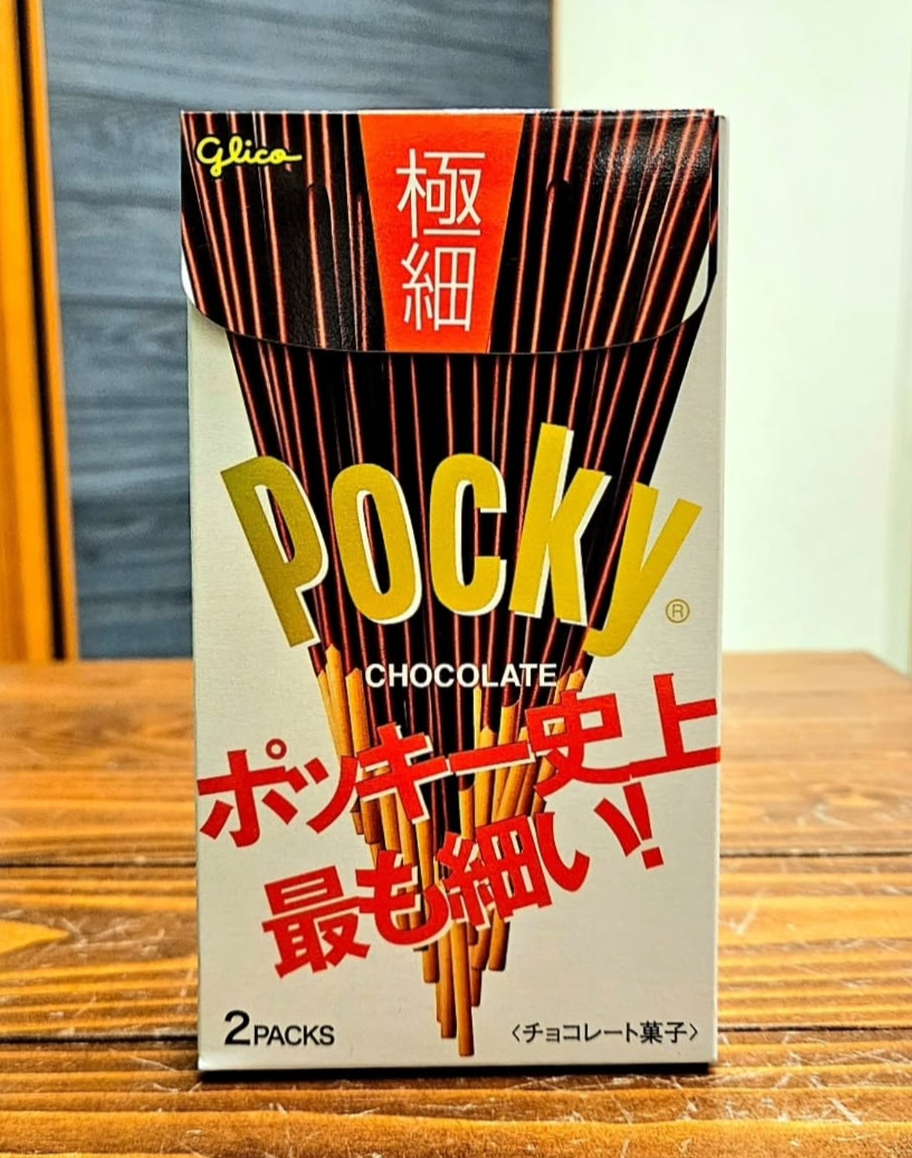
Pocky is one of Japan’s most recognized snacks worldwide — slender biscuit sticks coated in chocolate or other flavors, sold in that iconic red box. Since its debut in 1966, it’s grown from a local treat into a genuine pop-culture phenomenon. Here’s everything you need to know about Japan’s most beloved snack.
History and Brand Story
Pocky was invented in 1966 by Yoshiaki Koma for Ezaki Glico Co., making it the world’s first stick-shaped chocolate confectionery — inspired by skewer foods common in Japanese cuisine. The name comes from the Japanese onomatopoeia pokkin, the sound of snapping a biscuit stick.
By the 1970s, new flavors had already expanded the lineup and Glico was opening international branches in Thailand and France. Landmark products followed over the decades: Almond Crush, Strawberry, Marble Pocky, and the return of the classic red box design in the 2010s. Today, Glico sells hundreds of millions of boxes every year across more than 30 countries.
What Makes Pocky Unique
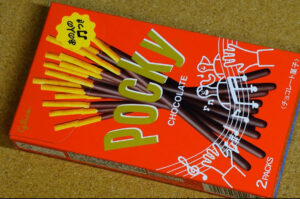
Pocky’s signature design — a slim, coated biscuit with an uncoated “handle” at one end — was a practical innovation: no sticky fingers. That handle is still one of the most recognizable design details in snack food.
The flavor range is vast and constantly evolving:
- Classic flavors: Chocolate, Strawberry, Matcha Green Tea, Cookies & Cream, Banana
- Seasonal and limited editions: Sakura (spring), Halloween Pumpkin, Almond Crush, Kuchidoke Chocolate (rich winter edition)
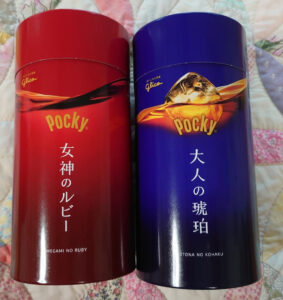
- Premium lines: Otona no Pocky (designed for pairing with wine or whiskey), Trinity Almond, Zeitaku luxury mixes
- Regional exclusives: Shinshu Grape, Kyushu Giant Mikan, Nagano Grape — only available in specific Japanese prefectures
- International variants: In Europe, Pocky is sold as “Mikado” with flavors like Daim and Intense Dark Chocolate
Pocky Culture in Japan
Pocky is everywhere in Japanese daily life — convenience stores, vending machines, department store gift floors, and school lunch boxes. The brand’s “Share Happiness” slogan positions it as a snack made for people to enjoy together, which fits naturally into Japan’s gift-giving culture.
November 11th is “Pocky Day” (11/11 — the date resembles four Pocky sticks), celebrated annually with in-store promotions, special limited flavors, and social media campaigns that have earned Guinness World Records for engagement. The “Pocky Game” — a party challenge where two people eat from opposite ends of one stick — is a staple of Japanese youth culture.
Where to Buy Pocky in Japan
Pocky is sold virtually everywhere in Japan:
- Convenience stores (konbini) — 7-Eleven, FamilyMart, and Lawson all stock standard flavors year-round. Limited editions rotate seasonally. See our complete konbini guide for what else to pick up while you’re there.
- Supermarkets — larger selection, often better prices on multipacks
- Don Quijote — excellent for bulk buys and finding limited editions
- Airport shops — good for last-minute souvenir purchases; gift sets are well-stocked at Narita and Haneda
- Department store food halls — premium lines and seasonal gift boxes
Pocky as a Souvenir
Gift-giving is deeply embedded in Japanese culture, and Pocky’s attractive, themed packaging makes it one of the easiest souvenirs to bring home. Special “Pocky THE GIFT” sets let you mix flavors and colors in a single box. Seasonal bundles tied to cherry blossom season or winter holidays are especially popular. Regional exclusives — flavors you can only find in Kyushu, Nagano, or Hokkaido — are among the most sought-after items for serious snack collectors.
How to Enjoy Pocky
Beyond eating them straight from the box:
- Use as a dessert topping for ice cream, parfaits, or cakes
- Pair flavors with drinks: Chocolate with coffee or milk, Matcha with green tea, Strawberry with sparkling water
- Try Otona no Pocky with wine or whiskey — it’s genuinely designed for this
- Build a snack platter mixing Pocky with other Japanese treats from the konbini
🏪 Japanese Convenience Stores: Complete Guide
Where to find Pocky — and what else to buy while you’re there. Konbini are the best place for limited edition flavors.
🍙 Convenience Store Onigiri Guide
Another konbini staple worth exploring on your Japan trip.
🐄 Japanese Wagyu Guide
From snacks to proper meals — Japan’s most famous beef, explained.
Frequently Asked Questions
When was Pocky invented?
Pocky was created in 1966 by Yoshiaki Koma for Ezaki Glico, making it nearly 60 years old. It’s one of the longest-running confectionery brands in Japan.
Why is November 11th Pocky Day?
The date 11/11 visually resembles four Pocky sticks standing upright. Glico turned this into an annual celebration in 1999, and it’s since become a genuine cultural event with Guinness World Records for social media participation.
What is the Pocky Game?
Two people hold opposite ends of a single Pocky stick in their mouths and eat toward the middle. Popular at parties and a recurring trope in Japanese anime and manga.
What’s the difference between Pocky and Mikado?
They’re the same product. In Europe, Glico markets Pocky under the name “Mikado” with some region-specific flavors. The format and concept are identical.
Where can I find limited edition Pocky flavors in Japan?
Convenience stores rotate seasonal flavors regularly — check in spring (Sakura), autumn (pumpkin, chestnut), and winter (rich chocolate editions). Don Quijote often stocks the widest variety. Regional exclusives are found at local souvenir shops in their respective prefectures.
Is Pocky available outside Japan?
Yes — Pocky is sold in over 30 countries, including the US, most of Europe (as Mikado), and throughout Southeast Asia. Japanese import shops and online retailers also stock a wider range of flavors than local supermarkets typically carry.
What are the best Pocky flavors to try in Japan?
Start with Matcha (a flavor that translates particularly well to the Pocky format) and Strawberry for classics. For something more adventurous, look for Otona no Pocky (adult luxury line) or whatever the current seasonal release is — these are often the most interesting options.
Pocky flavors and limited editions change frequently throughout the year. What’s available at convenience stores in spring will differ from autumn releases.