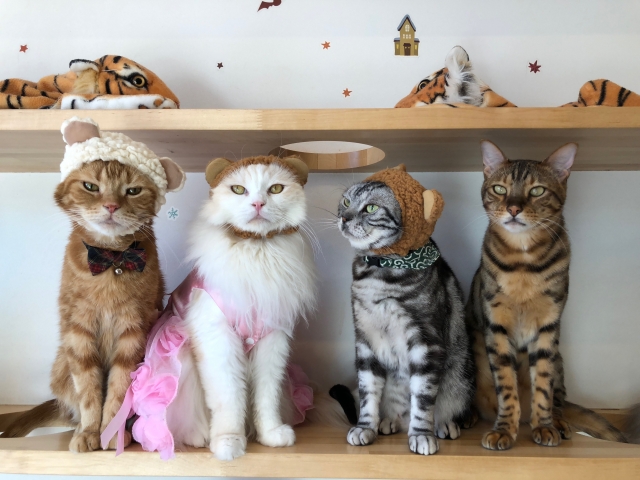
There’s a moment that happens in every cat cafe in Japan — you sit down, order a drink, and within about two minutes a cat you’ve never met before is asleep on your lap. It’s disarmingly good.
Cat cafes (neko cafe) are exactly what they sound like: coffee shops where cats roam freely and guests can interact with them. The concept sounds simple, but in practice it’s one of those experiences that sticks with people long after the trip ends. Kids go absolutely feral with excitement. Adults find themselves quietly unwinding in a way they didn’t expect.
This guide covers what cat cafes are, where to find good ones, what to expect, and everything you need to know before your first visit.
Why Cat Cafes Exist in Japan
The short answer: apartments. A huge proportion of Tokyo residents — and urban dwellers across Japan — live in small apartments with strict no-pets policies. Cat cafes emerged as a practical solution, offering the companionship of animals without the commitment of ownership.
The first cat cafe in the world opened in Taipei in 1998. Japan picked up the concept fast, with Osaka’s “Neko no Jikan” becoming the country’s first in 2004. The idea spread rapidly, and today there are hundreds across the country, each with its own character, cat roster, and vibe.
Beyond the practical origin story, cat cafes have become something more. Many now operate as rescue cafes, housing adoptable cats saved from shelters. Visiting one of these isn’t just a pleasant afternoon — you’re also supporting animal welfare and potentially meeting a cat who’s looking for a home.
What to Expect on Your Visit
How pricing works: Most cat cafes charge by time — typically 600–1,200 yen for the first 30–60 minutes, with additional time billed in 10–15 minute increments. Some include a drink in the entry fee; others require you to order separately. Budget for at least an hour, because it’s easy to lose track of time.
The rules: Every cat cafe has them, and they’re taken seriously. Before entering, you’ll sanitize or wash your hands. Shoes come off at the door (bring socks — many cafes require them). Once inside, the cats set the pace. You can’t wake sleeping cats, chase them, or force interaction. If a cat walks away, it walks away.
Other standard rules: no flash photography, no loud noises, no outside food or drinks, and children must be supervised by an adult at all times.
What you’ll actually do: There are usually toys provided — wand toys, crinkle balls, laser pointers. Many cafes have a scheduled “treat time” where you can help feed the cats, which is a guaranteed crowd-pleaser for kids. You can also just sit with a coffee and let the cats come to you, which honestly works surprisingly well.
Notable Cat Cafes to Try
Japan has hundreds of cat cafes, but a few stand out for foreign visitors:
| Cat Cafe | Location | What Makes It Special |
|---|---|---|
| Cat Cafe MOCHA | Multiple locations (Tokyo, Osaka, etc.) | Stylish interiors, large cat roster, scheduled treat times — a reliable chain option |
| Temari no Ouchi | Kichijoji, Tokyo | Fairy-tale themed with treehouses and secret nooks; feels like stepping into a storybook |
| Neco Republic Ochanomizu | Ochanomizu, Tokyo | Rescue-focused cafe with adoptable cats; supports animal welfare |
A few things worth checking before you visit any specific cafe: some have minimum age requirements (often 6–10 years old), some require reservations especially on weekends, and English support varies. Popular cafes in Tokyo fill up quickly — booking ahead is worth the effort.
Tips for First-Time Visitors
- Reserve in advance — especially on weekends and at popular locations. Many cafes have online booking in English.
- Bring socks — shoes come off at the entrance. Socks are more comfortable and required at most places.
- Don’t force it with the cats — let them approach you. Cats in well-run cafes are socialized and friendly, but on their own terms. Sitting quietly and ignoring them often works better than actively pursuing them.
- Plan for extra time — the time limits are real, and you will want to stay longer than you planned.
- No outside food — most cafes prohibit it to keep the environment clean and safe for the cats.
- Check for English support — larger chains like MOCHA tend to have English menus; smaller independent cafes may not.
Pairing a Cat Cafe with Other Activities
Most cat cafes are in city centers, which makes them easy to combine with a day of sightseeing. A few natural pairings:
Temari no Ouchi in Kichijoji sits right next to Inokashira Park, which has a small zoo and a boating lake — a natural fit for a family afternoon. Neco Republic near Ochanomizu puts you walking distance from Akihabara and the historic Kanda Shrine. Cat Cafe MOCHA has locations near Shibuya, Shinjuku, and other major hubs, so it can slot into almost any Tokyo day.
First-Time Tokyo with Kids
Jujutsu Kaisen in Real Life: Ultimate Shibuya Location Guide
FAQ: Cat Cafes in Japan
What is a cat cafe?
A cat cafe is a coffee shop where resident cats roam freely and guests can interact with them while enjoying drinks and snacks. They’re charged by time rather than by what you order.
Are cat cafes family-friendly?
Most are, with parental supervision required for children. Some cafes have minimum age requirements — typically around 6–10 years old — to protect the cats from being overwhelmed by very young children. Check the specific cafe’s website before visiting.
How much does a cat cafe cost in Japan?
Entry typically runs 600–1,200 yen for the first 30–60 minutes, with additional time billed incrementally. Some cafes include a drink; others charge separately. Budget around 1,500–2,000 yen per person for a comfortable visit.
Do I need to make a reservation?
Not always, but it’s recommended for popular cafes and weekends, especially in Tokyo. Many cafes offer online booking, and some have English-language reservation systems.
What are the rules at cat cafes?
Standard rules across most cafes: sanitize hands before entering, remove shoes, no flash photography, no loud noises, no outside food or drinks, don’t wake sleeping cats, and children must be supervised. The cats can always choose to walk away.
What is a rescue cat cafe?
Some cat cafes house cats that have been rescued from shelters or the streets. These cafes often facilitate adoptions and educate visitors about animal welfare. Visiting one means your entry fee directly supports the cats’ care.
Are there cat cafes outside Tokyo?
Yes — Osaka, Kyoto, Nagoya, Fukuoka, and most major cities have cat cafes. The concept is nationwide, not just a Tokyo thing.
What should I wear to a cat cafe?
Comfortable clothes you don’t mind getting cat hair on, and socks — you’ll be removing your shoes at the entrance. Avoid strong perfume, which can stress the cats.
Last updated: May 2026 | Note: Cafe details including pricing, age restrictions, and hours change frequently. Always check the cafe’s official website before visiting.