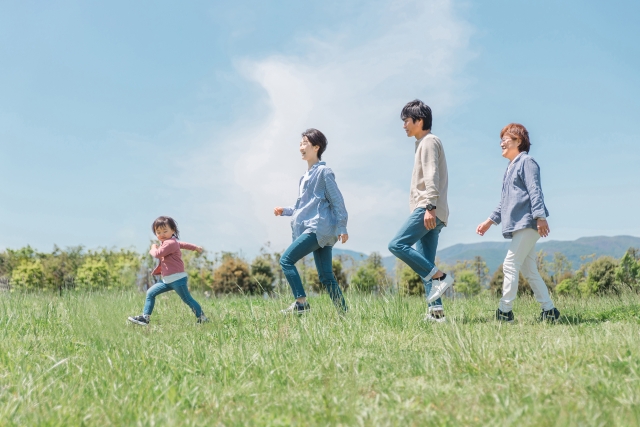
Tokyo with kids sounds intimidating, right? I get it. The language barrier, the crowds, keeping track of children in the world’s largest metropolitan area—it’s a lot to think about. But here’s the thing: Tokyo is actually way more family-friendly than most people expect. Is it going to be easy? No. Will everything go according to plan? Definitely not. But will your family be talking about this trip for years? Absolutely.
Tokyo works for families because it’s incredibly safe, spotlessly clean, and has infrastructure that actually makes sense. The trains run on time, there are bathrooms everywhere, and convenience stores on every corner become your best friend. This guide gives you the practical, honest advice you need—not the Instagram-perfect version, but the real deal that helps you prepare for what’s actually coming.
Before You Go: Essential Planning
When to Visit Tokyo with Kids
Spring (late March–May): Cherry blossoms are stunning and the weather is mild, but it’s packed and expensive. If you’re coming for sakura season, book 4–6 months ahead and prepare for crowds everywhere.
Autumn (October–November): Comfortable weather, beautiful foliage, popular but manageable. This is probably your sweet spot—not too hot, not too crowded, just right.
Winter (December–February): Fewer tourists, cold but dry, holiday atmosphere. Good deals available except around New Year’s. Kids can handle the cold better than summer heat.
Avoid if possible — Summer (June–August): Brutally hot and humid. It’s exhausting with kids. If you can only do summer, plan for air-conditioned breaks every couple of hours and lower your daily activity expectations.
Golden Week (late April–early May) and Obon (mid-August) are peak domestic travel periods—everything gets packed and expensive.
How Long to Stay
Minimum 4–5 days gives you a taste without overwhelming kids. Ideal is 7–10 days, which allows for rest days, flexibility, and recovery time. Jet lag takes 2–3 days to adjust from, and having buffer days means a sick day won’t ruin your trip.
Don’t overschedule. This is the biggest mistake families make. Plan one major activity per day, not three.
What to Prepare
- Portable WiFi or SIM card — essential for navigation and translation
- Google Translate downloaded with offline Japanese
- IC card (Suica or Pasmo) — kids under 6 ride free, ages 6–11 pay half price
- Cash — many small places are still cash-only
- Medications from home — Japanese pharmacies have limited options for foreigners
- Comfort snacks — bring some familiar foods for picky eaters
- Lightweight stroller for young kids (Tokyo is walkable but huge)
Mental Preparation
Your kids will be overwhelmed. Sensory overload is real in Tokyo—the crowds, the sounds, the flashing lights. They’ll need breaks. You won’t see everything, and that’s completely fine. Lower your expectations now, and you’ll have a better time. Flexibility beats a rigid schedule every single time.
Getting Around Tokyo with Kids
The Train System
Yes, it looks complicated. But Google Maps solves this—it shows exact routes, which platform, and walking times. IC cards make it simple: tap in, tap out, done. Kids under 6 ride free. Ages 6–11 pay half price. This alone saves families serious money.
Avoid rush hours (7–9am, 5–7pm) if at all possible. Packed trains with kids and luggage is nobody’s idea of fun. Also note that not all stations have elevators—if you’re bringing a stroller, check Google Maps for accessible routes. Baby-wearing can honestly be easier in many situations.
Stroller Reality Check
Strollers are useful but challenging. Not every station has elevators, crowded trains make strollers difficult, and you’ll do a lot of lifting. If you bring one, make it a lightweight umbrella stroller. Baby-wearing or a carrier works better in many Tokyo situations.
Taxis and Walking
Taxis are clean, safe, and expensive (starts around ¥500–600, adds up fast). Doors open automatically—don’t touch them! Very few drivers speak English, so have your destination written in Japanese or show them on your phone. Best used when everyone’s exhausted at the end of the day.
Tokyo requires a lot of walking. Kids will complain—plan for frequent breaks and use convenience stores for snacks, bathrooms, and air conditioning. Parks are great for burning energy between activities.
Kid-Friendly Attractions in Tokyo
Top Family Attractions
teamLab Planets (Toyosu) — A digital art museum where you walk barefoot through water and interact with projections. Mesmerizing for all ages. Adults ¥3,600, kids 4–12 ¥1,500, under 3 free. Book tickets online in advance, wear shorts (water goes knee-high), and go early morning or late afternoon to avoid the worst crowds.
→ Book teamLab Planets tickets on Klook
Tokyo Disneyland / DisneySea — DisneySea is unique to Japan and more interesting for adults than standard Disneyland. Tickets from ¥7,900+ per person. Arrive at opening, use the app, and book tickets online—you can no longer buy them at the gate.
→ Book Tokyo Disneyland tickets on Klook
Ueno Zoo — Japan’s oldest zoo with pandas, elephants, and polar bears. Adults ¥600, kids 12 and under FREE. One of Tokyo’s best family value options. Go early to see the pandas before the lines get long. Closed Mondays.
Ghibli Museum (Mitaka) — Must book months in advance through their lottery system. Adults ¥1,000, kids 4–12 ¥100–700. If your kids haven’t seen Totoro or Spirited Away, skip it—they won’t connect with it and tickets are too hard to get to waste.
Odaiba Area — Gundam statue, Miraikan science museum, a beach area, and shopping malls all in one spot. Feels like Tokyo’s family entertainment district—less overwhelming than Shibuya or Shinjuku.
Pokémon Center Mega Tokyo (Ikebukuro) — Free to enter, merchandise everywhere. The largest Pokémon store in Japan. Allow 30–60 minutes, and prepare yourself for the “I want this” negotiations.
Free or Cheap Activities
- Yoyogi Park / Ueno Park — space to run around and decompress
- Senso-ji Temple (Asakusa) — cultural, free to explore, beautiful atmosphere
- Shibuya Crossing — five minutes of pure excitement
- Toy stores — Kiddy Land (Harajuku), Yamashiroya (Ueno)
- Convenience store snack tours — make it a genuine adventure
Rainy Day Backup Plans
- teamLab Planets (see above)
- Aquariums — Shinagawa or Sumida
- Pokémon Center
- Indoor play areas in shopping malls
- Hotel downtime (seriously, don’t underestimate this)
Food with Kids in Tokyo
Kid-Friendly Japanese Food
Most kids take well to ramen, karaage (fried chicken), gyudon (beef rice bowl), yakitori, Japanese curry (mild and slightly sweet), udon, and onigiri. For picky eaters, family restaurants like Gusto or Saizeriya are cheap and have picture menus. Conveyor belt sushi is a hit with kids for the novelty alone.
Managing Picky Eaters
Convenience stores are lifesavers—they have bread, yogurt, fruit, and familiar snacks. McDonald’s and KFC exist. If your kid needs chicken nuggets to survive a day, do it. Bring favorite snacks from home. Don’t force Japanese food—creating negative associations helps nobody. Your kid surviving on rice balls and melon bread for a week won’t hurt them. Pick your battles.
Practical Eating Tips
Many restaurants have plastic food displays—just point at what you want. High chairs are hit-or-miss, so ask: “baby chair arimasu ka?” Water is usually free—ask for “mizu.” No tipping, ever.
Keeping Kids Happy and Parents Sane
Daily Rhythm That Works
- Start early (jet lag actually helps with this)
- One major activity per day maximum
- Schedule downtime — hotel, park, aimless wandering
- Build in treat rewards — vending machine drinks, gashapon capsule toys
- Earlier bedtimes than at home = happier kids
Survival Tactics
- Portable WiFi = ability to show videos when desperate
- Convenience stores = bathroom + snack + air conditioning in one stop
- Parks = free energy-burning
- Gashapon machines = cheap, effective entertainment
- Pokémon GO works in Japan and gamifies walking
When Things Go Wrong
Kids will melt down. It happens to everyone. You’ll get lost—that’s part of Tokyo. Someone might get sick—bring medicine. Plans will change—flexibility is everything. There will be a moment when you question this entire trip. Push through. It gets better after day 3 once everyone adjusts.
Cultural Tips with Kids
Kids should be relatively quiet on trains. Shoes come off in temples, some restaurants, and many indoor spaces. No running in temples or museums.
On the upside: Japan is exceptionally safe, people are helpful with foreign families, nursing rooms are found in most train stations and malls, and diaper-changing stations are everywhere. Japanese kids are generally very well-behaved in public, so you might feel self-conscious at times—but visible foreign families get some grace. Do your best and don’t overthink it.
Practical Family Travel Tips
Accommodation
- Stay near major stations (Shinjuku, Ueno, Tokyo Station) to reduce daily travel stress
- Look for family rooms or connecting rooms
- Breakfast included saves morning decision-making
- Coin laundry is essential for week-long trips
Money Matters
Budget more than you think. With kids, convenience costs money—vending machines, toys, treats, taxis when everyone’s done. Plan for daily convenience store runs. Free activities (parks, temples, Pokémon Center) help balance the expensive ones.
Sample Family Itinerary
Day 1: Arrival and recovery — check in, explore nearby, early dinner, early bed. Don’t plan anything major; jet lag is real.
Day 2: Asakusa — Senso-ji Temple, Nakamise shopping street, relaxed lunch, afternoon rest at hotel.
Day 3: Harajuku and Shibuya — Meiji Shrine, Yoyogi Park, Takeshita Street, Shibuya Crossing, Pokémon Center.
Day 4: Odaiba family day — teamLab, waterfront, Gundam statue, mall exploring.
Day 5: Ueno — Zoo, park time, museums if the energy is there.
Day 6: Flexibility day — hotel pool, nearby exploration, whatever you missed.
This is a template, not a prescription. Adjust to your family’s energy levels.
Final Real Talk for Parents
Tokyo with kids is challenging but rewarding. You’re going to be exhausted—accept this going in. Your kids will remember more than you think, even the young ones.
Some moments will be hard. Tantrums in train stations happen. Getting lost happens. Someone crying because they’re tired and overwhelmed happens. That’s family travel.
But some moments will be magical—watching your kid’s eyes light up at teamLab, their excitement spotting Pokémon characters everywhere, their pride at trying new foods, the adventure of navigating a completely different world together.
Perfection isn’t the goal; experience is. Years later, the hard parts fade. The good parts glow. They won’t remember every temple or attraction, but they’ll remember the adventure, the togetherness, and that their parents took them somewhere completely different and made it work.
Tokyo is absolutely doable with kids—not easy, but worth every bit of it.
FAQ: Tokyo with Kids
Is Tokyo good for families with young children?
Yes. Tokyo is exceptionally safe, clean, and well-equipped for families. Nursing rooms, diaper-changing stations, and stroller-accessible infrastructure are widely available. The challenge isn’t safety—it’s managing energy levels and sensory overload from the sheer scale of the city.
What are the best kid-friendly attractions in Tokyo?
teamLab Planets (all ages), Ueno Zoo (young kids, amazing value at ¥600 for adults and free for kids under 12), Tokyo Disneyland or DisneySea (ages 5+), Pokémon Center Mega Tokyo (free entry), and the Odaiba area for variety. For free options, Senso-ji Temple, Yoyogi Park, and Shibuya Crossing are all great.
How many days should I spend in Tokyo with kids?
A minimum of 4–5 days works for a basic introduction, but 7–10 days is ideal. The extra time allows for jet lag adjustment, sick day buffers, and rest days without feeling like you’ve wasted the trip.
Is the Tokyo train system manageable with children?
Yes, with Google Maps and IC cards it’s very doable. Kids under 6 ride free, and ages 6–11 pay half price. The main challenges are crowded trains, stairs at some stations, and long walking distances. Avoid rush hours and check for elevator-accessible routes when using a stroller.
What should I pack for Tokyo with kids?
Comfortable walking shoes for everyone, light layers, portable WiFi or SIM card, medications from home, comfort snacks, hand sanitizer, and a small backpack per child. Don’t overpack—most things can be bought in Tokyo if needed.
What’s the best area to stay in Tokyo with a family?
Near a major station for convenience—Tokyo Station, Shinjuku, or Ueno are all solid options. Ueno is especially good for families thanks to the zoo and park being right there. Odaiba is quieter and more spread out if you prefer a less intense base.
How do I handle picky eaters in Tokyo?
Convenience stores (7-Eleven, FamilyMart, Lawson) are your best friend—they stock bread, yogurt, fruit, and familiar snacks. Family restaurant chains like Gusto and Saizeriya have picture menus and kid-friendly options. Bring a few snacks from home for the first couple of days while everyone adjusts.
Recommended Articles↓↓
・Taiyaki: Japan’s Iconic Fish-Shaped Treat — A Complete Guide
・Japan’s Exceptional Meat Quality
Reservation Links↓↓
・teamLab Planets — Book on Klook
・Tokyo Disneyland — Book on Klook
Last updated: 2025. Prices, hours, and availability are subject to change — always check official websites before visiting.