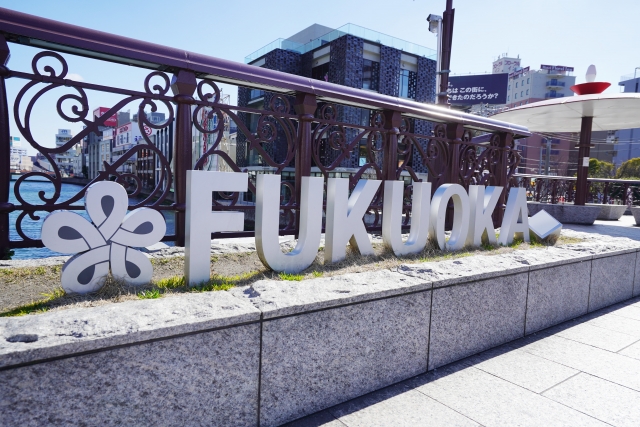
Fukuoka moves differently from Tokyo. People walk slower. Strangers chat at ramen counters. The food culture rivals anywhere in Japan, but without the hour-long queues or the sense that everyone’s in a hurry to be somewhere else.
One day here covers the essentials well—and the essentials are mostly food. Tonkotsu ramen originated in Fukuoka. The yatai open-air stalls along the river are found nowhere else in Japan in this concentration. The morning market has been running since 1927. This itinerary is built around eating well and moving at a pace that lets you actually enjoy what you’re eating.
Getting to and Around Fukuoka
Fukuoka Airport sits 15 minutes from the city center by subway (¥260)—one of the most convenient airports in Japan. By Shinkansen, Osaka is 2.5 hours away (¥15,000), Hiroshima about 1 hour (¥8,500). Both arrive at Hakata Station in the city center. JR Pass holders ride the Shinkansen for free—see our JR Pass 2026 guide to check whether it suits your itinerary.
Getting around is easy. The subway has two main lines and costs ¥200–260 per ride; a day pass runs ¥640. But Fukuoka’s real advantage is its scale—Hakata Station to Tenjin is a pleasant 20-minute walk. Most of this itinerary is done on foot.
The Itinerary
8:00–9:30 AM — Yanagibashi Rengo Market
Yanagibashi has been Fukuoka’s working seafood and produce market since 1927. About 50 shops run along narrow corridors—wholesale and retail mixed, locals shopping alongside restaurant buyers. The seafood is what Fukuoka is known for across Japan: fresh fish, shellfish, seasonal variety. Arrive before 8:30 AM for the best energy.
You can have breakfast here at one of the small restaurants inside—fresh fish sets run ¥800–1,200, and they’re cheaper and more genuine than anything near the tourist areas. Or browse lightly and save appetite for ramen at lunch. Either approach works.
Subway: Gofukumachi Station (Kuko Line), 5-minute walk. Hours 6 AM–3 PM, busiest 7–10 AM.
9:30–11:00 AM — Kushida Shrine and Old Hakata
Kushida Shrine has been Fukuoka’s guardian shrine since 757 AD. The architecture is traditional vermillion, a sacred tree on the grounds is over a thousand years old, and the whole place is peaceful at this hour before the tour groups arrive. Twenty to thirty minutes here is enough—walk the approach, make an offering if you want (bow twice, clap twice, bow once), and look at the kazariyama: the enormous festival float kept on permanent display. It’s used every July for the Hakata Gion Yamakasa Festival, one of Fukuoka’s most celebrated events, and the craftsmanship is worth seeing even off-season.
After the shrine, walk the surrounding old Hakata streets. Narrow lanes, traditional shophouse facades, local businesses that have been here for generations. It’s fifteen minutes on foot to the ramen district and a good way to see what Fukuoka looks like outside the modern shopping areas.
Free entry. 10-minute walk from Gion Station or 15 minutes from Hakata Station.
11:30 AM–1:00 PM — Hakata Ramen Lunch
Fukuoka is where tonkotsu ramen was invented. Pork bones boiled for 12 hours or more until the broth turns cloudy white and almost creamy. Thin, straight noodles cooked firm. This is the original, and it tastes different here than the versions exported everywhere else.
One Fukuoka tradition worth experiencing: kaedama. When your noodles are nearly finished, you keep your original broth and order a fresh batch of noodles (¥120–210) to drop in. Say “kaedama kudasai.” It’s distinctly Fukuoka and adds about five minutes to your meal in the best possible way.
Three reliable options:
Ichiran (一蘭) — Founded in Fukuoka in 1960, now worldwide, but this is where the solo booth concept started. You order on a paper form: noodle firmness, broth richness, garlic, spice level, toppings. Completely customizable, good for first-timers. Original location in Nakasu, also near Hakata Station. ¥980–1,500.
Ippudo (一風堂) — Also founded in Fukuoka, also now global. The Tenjin main shop is the original. Counter seating, energetic atmosphere, English menu available. ¥900–1,300.
Hakata Issou (博多一双) — Less famous outside Japan, more intense broth, more local crowd. Near Nakasu. If you want a bolder bowl and don’t need English support, this is worth the extra effort. ¥800–1,000.
For noodle firmness, order kata (firm) or barikata (very firm)—this is how locals eat it. Arrive before noon or after 1:30 PM to miss the worst of the lunch rush.
1:30–3:30 PM — Tenjin and a Coffee Break
After ramen, you need to walk. Tenjin is Fukuoka’s main shopping district, 20 minutes on foot from the ramen area. It’s more relaxed than Tokyo’s equivalent—no overwhelming crowds, wider sidewalks, easier to navigate.
Canal City Hakata is worth 30–45 minutes: a large shopping complex with a canal running through the building, mix of shops and restaurants, good for souvenirs. The Iwataya Department Store basement is the place to buy food gifts—mentaiko (spicy cod roe) products, Amaou strawberry sweets, local confectionery. Tenjin Underground Mall connects the subway stations with 150+ shops and is useful in rain or heat.
Take a proper coffee break around 2:30 PM. You’ve been going since 8 AM and the yatai evening is still ahead. Rest for 30–45 minutes. Save room.
Alternative if you prefer nature to shopping: Ohori Park is a 15-minute walk from Tenjin, with a lake, walking paths, and a Japanese garden (¥250 entry). Good choice on a clear afternoon.
6:00–9:00 PM — Yatai Dinner
Fukuoka has over 100 yatai—small open-air food stalls that set up at dusk along the river and stay open until midnight or later. The rest of Japan has a handful. Fukuoka has more than a hundred. This is the city’s most distinctive experience, and it’s the reason people come back.
The physical setup: each stall seats six to eight people at a counter wrapped around the chef. Open sides, plastic curtains in cold weather, red lanterns overhead. You’re elbow-to-elbow with whoever sits next to you, watching the chef work at close range. Conversations happen naturally—with the owner, with the people on either side. It’s genuinely social in a way that’s rare in modern urban Japan.
Where to go: The Nakasu riverbank near Nakasu-Kawabata Station has 20+ stalls clustered along the Naka River—the most accessible concentration for first-timers. Tenjin (near Watanabe-dori) is slightly more local. Nagahama, near the fish market, is quieter and more ramen-focused.
What to order: Yakitori and kushiyaki (grilled skewers at ¥150–300 each) are the natural starting point—order three to five, add more as you go. Oden (simmered ingredients in dashi broth, ¥150–300 per piece) is excellent in cooler months. Tonkotsu ramen at ¥800–1,000 is a lighter portion than lunch shops, good if you’re still hungry later. Beer runs ¥500–700. Budget ¥2,000–3,500 per person including drinks.
How it works in practice: Walk the stalls and look for open counter seats. If a stall is full, they’ll tell you. Sit down, say “konbanwa” (good evening), and a towel and menu will appear. Point at what looks good. Order drinks first, food gradually—the cooking area is small and things come out in sequence. Pay in cash only; have ¥5,000 ready. When you’re done: “okaikei kudasai” (the check, please), pay, and say “gochisousama” on your way out.
Aim to arrive by 7 PM. After 9 PM, finding seats gets harder as the evening crowd builds. Heavy rain may close some stalls—check the forecast.
Budget Summary
Excluding shopping: around ¥7,000–9,000 for the day. Airport subway ¥260, day pass ¥640, market breakfast ¥800–1,200 (optional), ramen lunch ¥1,000–1,800, coffee ¥500–700, yatai dinner ¥2,000–3,500. Shrines are free. Add ¥2,000–8,000 for mentaiko gifts or other Fukuoka souvenirs.
Best Time to Visit
Autumn (September–November) is the best season for this itinerary—perfect walking temperatures, seasonal seafood at its peak, and the yatai experience is most pleasant when there’s a chill in the air. Winter is underrated: mild compared to Tokyo, ramen and oden hit perfectly in the cold, and yatai with plastic curtain windbreaks and portable heaters have their own atmosphere. Summer brings the spectacular Hakata Gion Yamakasa Festival in July, though the heat makes daytime walking tiring. Spring (late March to early May) has cherry blossoms at Maizuru and Ohori Parks with comfortable temperatures.
Recommended Articles↓↓
- One Perfect Day in Sapporo: Markets, Soup Curry, and Ramen Alley
- One Perfect Day in Kumamoto
- Riding Japan’s Bullet Train: Shinkansen Complete Guide
FAQ: One Day in Fukuoka
Is one day enough for Fukuoka?
Yes, one day covers Fukuoka’s highlights well. The city is compact enough that you’re never wasting time in transit, and the itinerary—morning market, shrine, ramen, yatai—gives you a genuine sense of what makes Fukuoka different. That said, two or three days lets you explore day trips to Dazaifu (a beautiful shrine complex 30 minutes away) or dig deeper into the food scene. One day works perfectly for Kyushu travelers passing through or cruise visitors arriving at Hakata Port.
What are yatai and why are they special?
Yatai are small open-air food stalls seating six to eight people at a counter around the chef. They set up at dusk and run until midnight or later. Fukuoka has over 100 of them—more than the rest of Japan combined. What makes them special isn’t just the food; it’s the intimacy. You’re close enough to watch the chef work, and conversations with strangers are a normal part of the experience. It’s a form of street dining that’s survived in Fukuoka when it’s disappeared everywhere else.
Where should I eat Hakata ramen in Fukuoka?
Ichiran is the most accessible starting point—solo booths, complete customization on a paper form, consistent quality, founded in Fukuoka in 1960. Ippudo’s Tenjin location is the original branch of a now-global chain, with a more energetic counter atmosphere and English menu. Hakata Issou serves a bolder, more intense local-favorite bowl near Nakasu. Whichever you choose, order kata or barikata (firm) noodles, and try kaedama—extra noodles dropped into your remaining broth for ¥120–210. It’s a Fukuoka-specific tradition.
How do I order at a yatai without speaking Japanese?
Pointing works everywhere. Most stalls have picture menus or you can see what other customers are eating. “Beer kudasai” gets you a beer; “kore kudasai” (this, please) plus pointing handles everything else. Owners are used to tourists. Other customers often help bridge the gap. Don’t let language worry you—yatai culture is about shared experience, and that doesn’t require a common language.
Is Fukuoka safe at night around the yatai areas?
Very safe. The Nakasu riverbank is well-lit, heavily trafficked, and frequented by families, couples, and solo travelers of all ages. Japan’s low crime rate fully applies, and yatai areas have their own community feel that makes them welcoming rather than intimidating. Solo female travelers visit regularly without issues. Standard awareness applies, but Fukuoka nightlife is among the most relaxed and visitor-friendly in Japan.
How much should I budget for one day in Fukuoka?
Plan for ¥7,000–9,000 excluding shopping: airport subway ¥260, day pass ¥640, ramen lunch ¥1,000–1,800, coffee ¥500–700, yatai dinner ¥2,000–3,500. The shrines are free. Add ¥3,000–8,000 if you’re buying mentaiko products, Hakata dolls, or other Fukuoka specialties. Fukuoka is noticeably cheaper than Tokyo or Osaka for comparable food experiences.
What’s the best season to visit Fukuoka?
Autumn (September–November) for perfect walking weather and peak seafood season. Winter for atmospheric yatai with heaters and warm broth. Summer for the Hakata Gion Yamakasa Festival in July—one of Japan’s most dramatic city festivals. Spring for cherry blossoms at Ohori Park with comfortable temperatures. Fukuoka’s mild winters mean it’s one of the more appealing Japanese cities to visit year-round.
Can I visit Fukuoka as a day trip from Osaka or Hiroshima?
From Hiroshima, yes comfortably—about 1 hour by Shinkansen (¥8,500). From Osaka, it’s 2.5 hours each way (¥15,000), which is manageable but leaves limited time in the city. If you have a JR Pass, the transportation cost becomes less of a factor. For the full yatai experience, an overnight stay is worth it—yatai at their best are an evening and night activity, not something to rush through before catching a train home.
Last updated: May 2026. Yatai operate weather-dependent—heavy rain may cause closures. Some stalls closed on specific weekdays. Ramen prices and hours subject to change. Ichiran base price ¥980 as of 2026. Subway day pass ¥640.