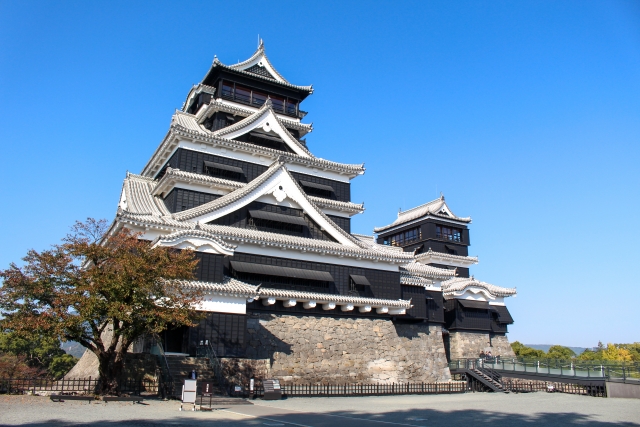
I’ll be honest: before visiting Kumamoto, I almost skipped it. It was “just a stop” between Fukuoka and Kagoshima on my Kyushu loop. Six hours later I was watching the sun set from the castle grounds thinking I’d completely underestimated this city.
Can you do Kumamoto in one day? Yes — one full day is enough to see Kumamoto Castle, stroll Suizenji Garden, eat basashi and ramen, and feel like you actually know the place. Here’s exactly how to do it.
Morning: Kumamoto Castle (9:00 AM)
Start here, before the crowds. The castle opens at 9:00 AM and the grounds stay quieter in the first hour.
What you can see: The main keep (tenshu) fully reopened in June 2021 with a redesigned interior exhibition covering the castle’s history — from its construction in 1601 by warlord Kato Kiyomasa, through the 1877 Satsuma Rebellion, to the devastating 2016 earthquake and ongoing restoration. The top floor has panoramic views over Kumamoto city, with Mount Aso visible on clear days.
The 350-meter elevated viewing corridor is genuinely special — it lets you walk above the damaged stone walls and see the earthquake recovery up close. Numbered stones waiting to be replaced, crumbling turrets, and scaffolding alongside fully restored sections. It’s unlike anything at Himeji or Matsumoto. Full restoration is projected until 2052, which means every visit is a different snapshot of the rebuild.
Practical info (2026):
- Hours: 9:00 AM – 5:00 PM (last entry 4:00 PM; castle tower entry until 4:30 PM)
- Closed: December 29 – January 3
- Admission: ¥800 adults / ¥500 elementary and junior high school students
- Allow 2–3 hours. Wear comfortable shoes — there’s uphill walking.
- Free Wi-Fi available throughout the grounds
Getting there: From Kumamoto Station, take the city tram (about 15 minutes, ¥170) and get off at “Kumamoto-jo Mae” (熊本城・市役所前). A 1-day tram pass costs ¥500 and pays for itself if you use it more than twice.
Midday: Sakuranobaba Josaien (桜の馬城彩苑) for Lunch
Right at the base of the castle is Josaien — an Edo-style street of 23 shops and restaurants. It’s touristy, yes, but it’s genuinely good for food and easy to pair with the castle visit.
What to eat:
- Basashi (馬刺身) — Raw horse sashimi, Kumamoto’s most famous dish. Served with garlic and soy sauce. Better than it sounds, I promise.
- Kumamoto ramen — Tonkotsu-based but with garlic chips on top. Richer and more pungent than Hakata-style.
- Ikinari dango (いきなり団子) — A local sweet: sweet potato and red bean paste wrapped in mochi. Good for an afternoon snack later.
Afternoon: Suizenji Jojuen Garden (2:30 PM)
Suizenji is a 17th-century strolling garden built around a clear natural spring. The central pond reflects Mount Fuji’s miniature replica — a landscape representing the 53 stations of the Tokaido road. It sounds gimmicky, but the garden is genuinely peaceful and well-maintained.
Allow about 45 minutes to an hour. It’s best in mid-afternoon when the light hits the pond well.
Practical info:
- Hours: 7:30 AM – 6:00 PM (Mar–Nov) / 8:30 AM – 5:00 PM (Dec–Feb)
- Admission: ¥400 adults / ¥200 children
- Access: 20 minutes east of the castle by tram, get off at “Suizenji Koen” stop
Evening: Shimotori and Downtown
Kumamoto’s Shimotori covered shopping arcade is one of Japan’s longer covered streets — good for an evening wander, picking up local snacks, and finding a spot for dinner. The side streets off the arcade have plenty of izakayas that open around 5:30 PM.
For dinner, try a proper Kumamoto ramen shop — Ajisen Ramen originated here, but the small local shops around Shimotori are better. Look for queues.
How to Get to Kumamoto
Kumamoto sits on the Kyushu Shinkansen line, making it easy to reach from Fukuoka (35 min on the Sakura) or Kagoshima (45 min). Both are covered by the JR Pass and regional Kyushu rail passes.
From Tokyo or Osaka, the most practical approach is to fly into Kumamoto Airport (about 50 min by limousine bus to city center) or connect via shinkansen through Hakata.
→ If you’re planning a Kyushu trip, see our Tokyo Day Trip Guide for how to structure multi-city Japan itineraries.
Recommended Articles↓↓
- Tokyo Day Trip Guide — for planning your wider Japan trip
- Japanese Alcohol Guide: Sake, Shochu and More — what to order at Kumamoto’s izakayas
FAQ
Is one day enough for Kumamoto?
Yes, one full day is enough to see the main highlights: Kumamoto Castle (2–3 hours), lunch at Josaien, and Suizenji Garden. If you want to add Mount Aso, plan for a second day.
Is Kumamoto Castle worth visiting while still under restoration?
Absolutely. The 350-meter elevated viewing corridor gives you a close-up view of the earthquake damage and ongoing repair work that you can’t see anywhere else in Japan. The rebuilt main keep also has an excellent exhibition.
How much does it cost to visit Kumamoto Castle?
Admission is ¥800 for adults, ¥500 for students. This covers the main keep and the viewing corridor. Hours are 9:00 AM to 5:00 PM (last entry 4:00 PM). Closed December 29 to January 3.
What is Kumamoto famous for eating?
The two big ones are basashi (raw horse sashimi) and Kumamoto ramen (tonkotsu with garlic chips). Karashi renkon (lotus root stuffed with mustard miso) and ikinari dango are other local specialties to look for.
How do I get from Kumamoto to Fukuoka?
Take the Kyushu Shinkansen (Sakura or Tsubame) from Kumamoto Station to Hakata in about 35 minutes. The JR Kyushu Rail Pass covers this route.
When is the best time to visit Kumamoto?
Spring (late March to April) for cherry blossoms around the castle, and autumn (November) for fall foliage at Suizenji Garden. Summer is hot and humid; winter is mild compared to most of Japan.
How do I get around Kumamoto city?
The city tram is the easiest option. A 1-day pass costs ¥500 and covers the castle, Suizenji Garden, and downtown. Taxis are also affordable for short trips.
Information current as of April 2026. Admission fees and hours are subject to change. Restoration schedules may shift.