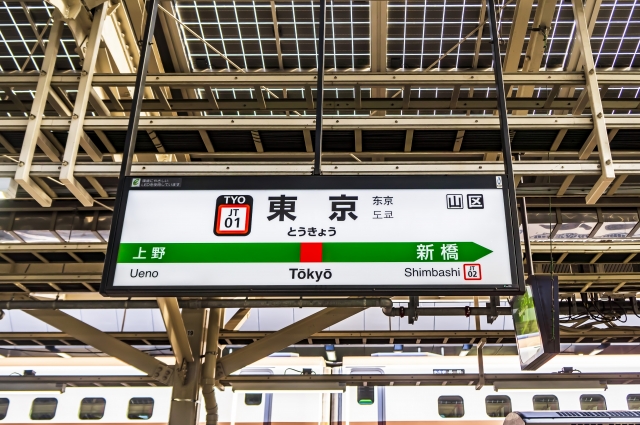
Traveling from Tokyo Station to Narita Airport is straightforward thanks to Japan’s world-class transportation system. Whether you’re catching an early morning flight or heading out after exploring the city, you have three solid options: a direct express train, a faster train with one easy transfer, and a comfortable bus. This guide breaks down each so you can choose the best fit for your schedule, budget, and luggage situation.
Your Three Main Options at a Glance
| Transport | Travel Time | Cost (one-way) | Transfers | Best For |
|---|---|---|---|---|
| Narita Express (N’EX) | 53–60 mins | ~¥3,000 | None | Comfort, JR Pass holders |
| Keisei Skyliner | ~50 mins total | ~¥2,750 | 1 (Nippori) | Speed, budget-conscious travelers |
| Limousine Bus | 65–100 mins | ¥1,500–3,100 | None | Heavy luggage, families |
1. Narita Express (N’EX): Best for JR Pass Holders
The Narita Express is the most straightforward way to travel between Tokyo Station and Narita Airport. This JR East limited express runs direct to both terminals with no transfers required.
Key Facts
- Duration: 53–60 minutes (direct, no transfers)
- Cost: ~¥3,000 one-way
- JR Pass: Fully covered — no extra charge
- Frequency: Every 30–60 minutes
- Luggage: Dedicated storage racks with locks
- Seating: All reserved (standard and Green Car available)
Why Choose N’EX?
No transfers, guaranteed reserved seating, free Wi-Fi, clean restrooms, and English announcements throughout. If you have a JR Pass, this is the obvious choice — it costs nothing extra and the experience is seamless.
How to Use the Narita Express
Buy tickets at the JR Ticket Office (Midori-no-Madoguchi) in Tokyo Station, at English-language ticket machines, or online via the JR East website. JR Pass holders simply show the pass at the gate and reserve a seat. Follow signs for “JR Lines” and “Narita Express” — trains depart from the underground platforms, so arrive 5–10 minutes early.
Money-saving tip: The “N’EX Tokyo Round Trip Ticket” costs ¥5,000 (valid for 14 days) and is available exclusively to foreign travelers — saving ¥1,000 versus two one-way tickets.
If you’re planning to travel around Japan beyond Tokyo, a Japan Rail Pass covers the N’EX completely, plus unlimited travel on JR trains nationwide including the Shinkansen. See our complete JR Pass guide for full details on pricing and coverage.
→ Get Your Japan Rail Pass on Klook
2. Keisei Skyliner: The Speed Champion
If speed is your priority and you don’t mind one easy transfer, the Keisei Skyliner is your best bet. It’s slightly faster than N’EX and a little cheaper too.
Key Facts
- Duration: 36–40 mins to Nippori + ~10 mins to Tokyo Station = ~50 minutes total
- Cost: ¥2,580 (Skyliner) + ¥170 (JR transfer) = ~¥2,750
- Transfer: One easy change at Nippori Station
- Frequency: Every 20–40 minutes
- Seating: All reserved
Why Choose Skyliner?
About 10–15 minutes faster than N’EX and roughly ¥250 cheaper. The transfer at Nippori is straightforward — clear English signage makes it easy to find the JR platforms. If you’re not using a JR Pass and want the fastest option, this is it.
How to Use the Skyliner
Board at Narita Airport Terminal 1 or 2/3, ride to Nippori (36–40 minutes), then transfer to the JR Yamanote or Keihin-Tohoku Line to reach Tokyo Station in about 10 more minutes. Buy tickets at Keisei counters, vending machines, or online — advance booking often gets you a discount and guaranteed seat.
→ Reserve Your Skyliner Ticket on Klook
3. Airport Limousine Bus: Best for Heavy Luggage
If you’re traveling with a lot of bags, with children, or simply want door-to-terminal service without any train navigation, the Airport Limousine Bus is the most convenient choice.
Key Facts
- Duration: 65–100 minutes (traffic-dependent)
- Cost: ¥1,500–3,100 (varies by service)
- Transfers: None — direct to your terminal
- Frequency: Multiple departures per hour
- Luggage: Stored in the undercarriage; staff assist with loading
- Departure point: Yaesu South Exit, Tokyo Station
Why Choose the Bus?
Zero transfers, luggage handled for you, air-conditioned reclining seats, and onboard Wi-Fi. Some services are as low as ¥1,500, making this the budget-friendliest option if you catch the right service. The downside is traffic — during rush hours (7–9 AM, 5–7 PM) or bad weather, journey times can stretch. If your flight has a tight window, build in extra buffer time or take the train.
How to Use Airport Buses
Buy tickets at the counter near the Yaesu South Exit, at vending machines at the bus stop, or online. Arrive 10–15 minutes before departure — staff will direct you to the right bus and handle your bags. Announcements are in both Japanese and English.
Frequently Asked Questions
Can I use my Japan Rail Pass on the Narita Express?
Yes — the N’EX is fully covered by the JR Pass. You just need to show the pass at the gate and reserve a seat (free). If you’re traveling to multiple cities in Japan, the JR Pass pays for itself quickly.
How early should I arrive at Narita Airport before my flight?
Allow at least 2–3 hours before international departures. Add your travel time (50–100 minutes depending on transport), plus 30–60 minutes for tickets, signage, and getting to your gate.
Which terminal does the train or bus go to?
Both N’EX and Limousine Buses serve Terminals 1, 2, and 3. Always confirm your airline’s terminal before departure.
Is English available throughout the journey?
Yes. Major stations have English signage and staff who can help. Ticket machines have English-language options. Tokyo’s transportation system is very foreigner-friendly.
What’s the best option if I have a lot of luggage?
The Airport Limousine Bus is easiest — staff help load your bags and there’s no need to haul them through station corridors. If you’re a JR Pass holder, the N’EX also has dedicated luggage racks with locks. The Skyliner is fine for standard bags but requires one transfer at Nippori.
Should I book in advance?
For N’EX and Skyliner, advance booking is recommended during busy periods (cherry blossom season in March–April, autumn foliage in October–November, and Golden Week). For the bus, booking online guarantees your seat and sometimes gets you a lower price.
Final Tips for Stress-Free Travel
- Book in advance when possible — especially during peak seasons
- Download Google Maps or Japan Transit Planner — essential for real-time schedules
- Keep your ticket accessible — you’ll need it at both entry and exit gates
- Arrive at the platform early — Japanese trains leave exactly on time
- Get a SIM card or pocket WiFi — staying connected makes navigation much easier
→ Get a Japan SIM Card or eSIM on Klook
No matter which option you choose, getting from Tokyo Station to Narita Airport is efficient and well-signposted. Safe travels!
Recommended Articles↓↓
・Shinjuku to Narita Airport: N’EX, Skyliner, and Cheap Trains Compared (2026)
・Asakusa to Narita Airport: Direct Access Express in 60 Minutes (¥1,310)
・Shinagawa to Narita Airport: N’EX Direct in 60 Minutes
・Shibuya to Narita Airport: N’EX, Bus, or Budget Train
・Ikebukuro to Narita Airport: N’EX Direct (90min) vs Skyliner via Nippori
・Akihabara to Narita Airport: JR Narita Express (50min) vs Keisei Skyliner
Last updated: 2025. Prices and schedules are subject to change — always check official websites before travel.