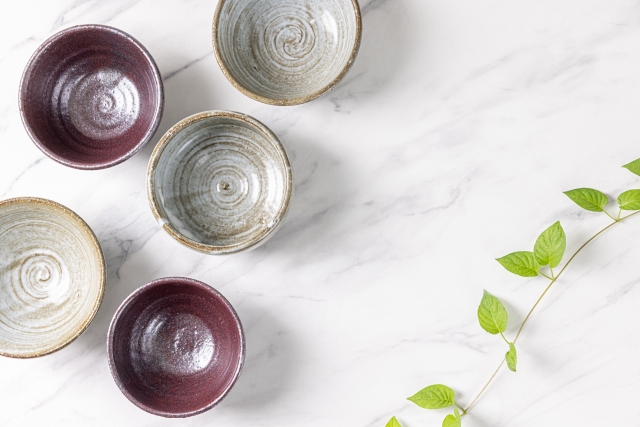
In a quiet village of bamboo groves and kiln smoke on the outskirts of Kagoshima, the clay still remembers Korea. In 1598, the warlord Shimazu Yoshihiro returned from the Korean peninsula with skilled potters in tow — and the tradition they planted here, now over 400 years old, became what is known today as Satsuma-yaki: one of Japan’s most celebrated ceramic styles.
At Miyama Touyukan, visitors can step into this lineage directly. You don’t just admire the pottery behind glass — you sit at the wheel, press your hands into the clay, and make something of your own.
What Is Satsuma-yaki?
Satsuma ware is Kagoshima’s signature pottery tradition, with two distinct styles that emerged from the same Korean roots. Shiro-Satsuma (white Satsuma) is delicate, white, and often painted with intricate overglaze enamel designs — the style that captivated European collectors in the 19th century. Kuro-Satsuma (black Satsuma) is rougher, darker, and earthier, reflecting the native soil of the Miyama valley. Both traditions are alive in the kilns that line the streets around Miyama Touyukan, making the area as much a walking ceramics museum as a craft destination.
Miyama is the largest Satsuma-yaki production area in Kagoshima Prefecture, and the Touyukan sits at its heart — part experience studio, part gallery for works from the surrounding kilns and workshops. Around 4,000 groups visit each year.
The Experience: Four Ways to Try It
There are four hands-on courses to choose from, all held inside the main studio. You’ll be guided by an instructor throughout, and all equipment and aprons are provided — no preparation needed.
Pottery Wheel (Rokuro) — ¥3,740 / approx. 45 min
The classic experience. You’ll have 1 kg of clay to work with and can create up to 2 pieces. The wheel gives you control over height and form — mugs, bowls, small vases — though getting the centring right is harder than it looks. Most people find the first few minutes humbling, and the instructor steps in exactly when needed.
Hand-Building (Tebineri) — ¥2,735 / approx. 2 hours
The more meditative option. Using pinching, coiling, or slab techniques, you build your piece from scratch without the wheel. The pace is slower and more forgiving, and the longer session means you can work carefully through every step. Good for anyone who wants to be fully absorbed for a couple of hours.
Glaze Painting (Etsuke) — ¥2,735 / approx. 1 hour
You paint directly onto an unglazed ceramic piece using brushes and coloured pigments. There are 7 glaze colours to choose from. The piece is then fired, and the colours shift slightly during the kiln process — part of what makes each result its own. Good for children and anyone who prefers drawing to shaping.
Satsuma Button Painting — ¥3,520 / approx. 1 hour
A smaller and more intricate version of the painting experience, focused on Satsuma-yaki buttons — tiny ceramic discs used as accessories. You paint one button and finish with a simple accessory. A distinctive souvenir that’s specific to this tradition and this place.
After the Workshop: Getting Your Piece Home
Whichever course you choose, the finished work needs to be fired in a kiln before it’s ready. That takes approximately 3 months. You can pick it up from the studio, or have it shipped anywhere in Japan for an additional postage fee. International shipping is worth checking directly with the studio at booking.
The Village Around It
Miyama itself is worth more than the workshop. The streets around the Touyukan are lined with working kilns and small galleries — you can walk through most of them freely. The bamboo grove that weaves through the village gives the area a particular atmosphere, especially in the cooler months when morning mist sits low between the stalks. The contrast between the Korean-origin craft and the distinctly Kagoshima landscape is part of what makes Miyama feel unlike anywhere else in Japan.
Practical Info
| Pottery Wheel | ¥3,740 / approx. 45 min / clay 1 kg, up to 2 pieces |
| Hand-Building | ¥2,735 / approx. 2 hours / clay 1 kg, up to 2 pieces |
| Glaze Painting | ¥2,735 / approx. 1 hour / 1 piece, 7 glaze colours |
| Satsuma Button Painting | ¥3,520 / approx. 1 hour / 1 button + accessory |
| Admission | Free (studio experience fees above are separate) |
| Hours | 9:00–18:00 |
| Closed | Mondays (next day if Monday is a public holiday) / Year-end & New Year |
| Reservations | Recommended by the day before / Tel: 099-274-5778 / Contact form: touyukan.com/contact/ |
| What to bring | Nothing — aprons and tools provided. Wear clothes you don’t mind getting dirty. |
| Finished work | Ready in approx. 3 months. Pickup or domestic shipping (fee applies). |
| Website | touyukan.com |
How to Get There
Miyama Touyukan is located at 1051 Miyama, Higashiichiki-cho, Hioki City, Kagoshima Prefecture. The nearest station is Higashiichiki on the JR Kagoshima Main Line, about 7 minutes by car. From Kagoshima Chuo Station, allow about 30 minutes by car. The highway interchange (Ichiki-Kushikino IC) is 3 minutes away, and the facility has parking for large buses.
The area is most easily explored by car. Kagoshima City makes a natural base, with the Miyama potters’ village as a half-day excursion. It pairs well with a stop at Chiran’s samurai garden district or a drive along the coast toward Ibusuki.
Recommended Articles↓↓
FAQ
Do I need to book in advance?
Walk-ins are possible depending on availability, but it’s recommended to book by the day before. Groups in particular should reserve early. Booking is by phone (099-274-5778) or the online contact form.
Is this suitable for children?
Yes — all four courses are child-friendly, and the studio welcomes families. The glaze painting course is especially popular with younger visitors.
Can I visit without doing a workshop?
Yes. Admission is free, and you can browse the gallery and shop for Satsuma-yaki pieces from local kilns without participating in a course.
Is English support available?
The studio’s website is in Japanese, and it’s worth contacting them ahead of your visit to check what English support is available on the day.
What’s the difference between the wheel and hand-building?
The wheel is faster and more dramatic — you’ll see a shape emerge within minutes, but controlling it takes real focus. Hand-building takes longer and feels more like sculpting. If you’re visiting with children or want a relaxed pace, hand-building is the gentler introduction.
When is the best time to visit?
The studio is open year-round. The Miyama area is particularly atmospheric in autumn (October–November) and spring (March–April), when the bamboo groves and surrounding hills are at their most striking. Summer can be hot in Kagoshima, but the studio itself is air-conditioned.
Last updated: June 2026 | Prices and hours are subject to change. Please check the official website before visiting.