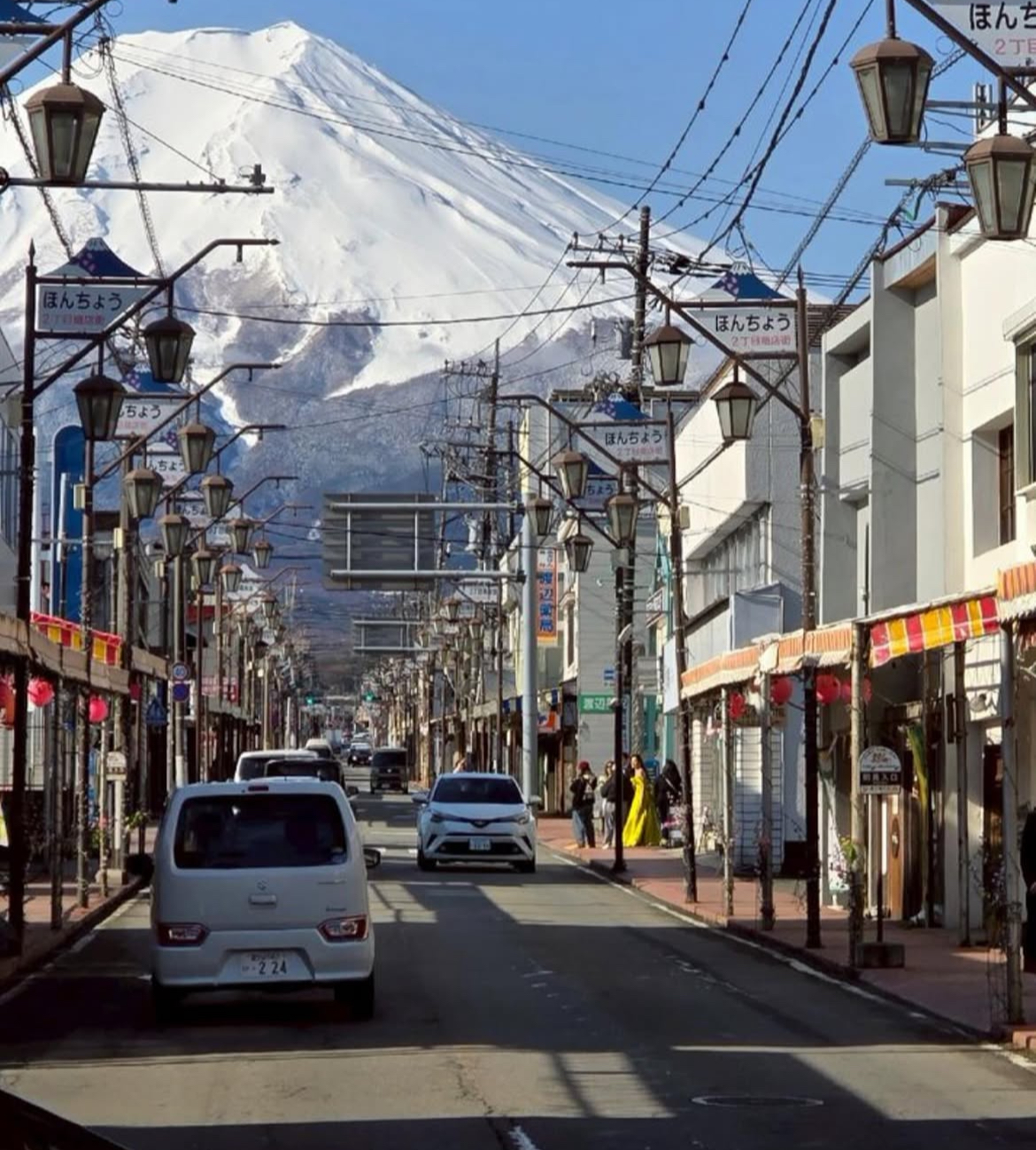
Most people pass through Shizuoka on the Shinkansen without stopping — watching Mt. Fuji slide by the window for about 90 seconds, then going back to their phones. That’s a mistake. Shizuoka Prefecture sits between Tokyo and Osaka and most travelers treat it as scenery rather than a destination, which means the tea fields, the historic shrines, the seafood port, and the pine grove with what might be Japan’s finest Mt. Fuji view belong almost entirely to people who actually live there.
A one-day Shizuoka itinerary covers the best of the prefecture efficiently: panoramic Mt. Fuji views from Nihondaira Plateau, the ornate Kunozan Toshogu Shrine reached by ropeway, fresh sakura ebi at Shimizu Port, a peaceful garden or park in the afternoon, optional onsen at Shuzenji, and sunset from Miho no Matsubara’s pine grove. It’s one of the most rewarding day trips from either Tokyo or Nagoya — and far less crowded than the standard Hakone circuit.
[Photo: Mt. Fuji panorama from Nihondaira Plateau — tea fields and Pacific coastline in the foreground]
Getting to Shizuoka
Shizuoka is about 60 minutes from Tokyo on the Hikari Shinkansen (Nozomi doesn’t stop here), or around 45 minutes from Nagoya. Mishima Station, one stop west of Shizuoka on the Tokaido Shinkansen, is the better base if you’re prioritizing Shuzenji Onsen in the afternoon — it puts you closer to the Izu Peninsula. For the standard itinerary starting with Nihondaira, start from Shizuoka Station.
A Japan Rail Pass covers the Shinkansen fare to Shizuoka on Hikari and Kodama services (not Nozomi). For a full overview of Shinkansen options and booking, see our complete Shinkansen guide.
Within Shizuoka: local JR trains (Tokaido Line) handle coastal access efficiently. Buses serve Nihondaira Plateau from Shizuoka Station. Taxis make sense for short hops between sites when time is tight. A day IC card (Suica or Pasmo) is enough — no specialized pass needed.
Morning: Nihondaira Plateau and Mt. Fuji Views (8:00am–9:30am)
Take the local bus from Shizuoka Station to Nihondaira Plateau — about 45 minutes. Go early. The views are sharpest before midday haze builds, and the plateau is almost empty before 9am.
The centerpiece is the Yume Terrace (日本平夢テラス), a viewing pavilion designed by architect Kengo Kuma that opened in 2018. The building itself is worth the trip: hinoki wood lattices, a wraparound observatory, and free admission. From the top you can see Mt. Fuji, the Pacific coastline, the Izu Peninsula, and rows of tea fields spreading across the hillsides below.
On clear days — most common in autumn and winter — the view is genuinely spectacular. Mt. Fuji appears impossibly large from here because you’re looking across relatively flat land rather than up at it from a valley. In summer, afternoon clouds often obscure the summit, which is another reason to arrive early.
Mid-Morning: Kunozan Toshogu Shrine (9:45am–10:30am)
From Nihondaira, take the ropeway down to Kunozan Toshogu Shrine (久能山東照宮) — the descent takes about five minutes and the views over Suruga Bay are worth the ride in both directions.
Kunozan Toshogu is the original resting place of Tokugawa Ieyasu, the shogun who unified Japan and established the Edo Period. The shrine predates the more famous Nikko Toshogu by several years and is significantly less crowded. The Momoyama-era architecture — vivid vermillion lacquer, elaborate carved panels, gold leaf detailing — is more striking up close than photographs suggest. The surrounding cedar forest keeps the whole site quiet and cool even in summer.
[Photo: Kunozan Toshogu’s ornate vermillion architecture against the cedar forest backdrop]
Budget 45 minutes here. The approach involves stairs — not exhausting, but not flat either. Take the ropeway back up to Nihondaira rather than hiking down, unless you have extra time.
Lunch: Shimizu Port and Sakura Ebi (11:00am–12:30pm)
Head to Shimizu Port, a short train ride from central Shizuoka. The area around the port has seafront restaurants serving what Shizuoka does better than anywhere else in Japan.
Sakura ebi (桜えび) are tiny pink shrimp harvested exclusively in Suruga Bay — the only place in the world where they’re caught commercially. Fresh sakura ebi season runs spring (March–June) and autumn (October–December), when you can eat them as tempura or raw as sashimi with a drizzle of ponzu. Outside season, dried versions appear on everything from rice bowls to soba. Either way, if you’re in Shizuoka and you don’t eat sakura ebi, you’ve missed the point.
Other local specialties worth ordering: Shizuoka oden (soy-based broth, black hanpen fish cakes, daikon — earthier and darker than other regional versions), shirasu (whitebait from Suruga Bay, served over rice or as toast topping), and local green tea served with anything.
The port area has both sit-down restaurants and a market with food stalls. Budget ¥1,500–2,000 for a solid lunch.
Early Afternoon: Hirono Garden or Sumpu Park (1:00pm–1:45pm)
A short stop for decompression before the afternoon. Two options depending on what you’re after:
Sumpu Park is built on the site of Sumpu Castle, Tokugawa Ieyasu’s retirement home. The original castle is gone but the grounds survive as a large public park with reconstructed gates, moats, cherry trees, and shaded walking paths. Free to enter. Good for a quiet 30-minute stroll.
Hirono Garden is a smaller traditional Japanese garden with seasonal plantings and careful landscaping — less visited than Sumpu Park and correspondingly more peaceful. If you want to sit somewhere genuinely quiet for 20 minutes, this is it.
Neither site requires more than 45 minutes. Pick the one that fits your mood and keep moving — the afternoon still has two good stops.
Mid-Afternoon: Shuzenji Onsen (2:30pm–4:30pm)
[Photo: Shuzenji Onsen’s stone bridge and stream, surrounded by bamboo grove]
Take a train from Mishima Station (or backtrack to Mishima from Shizuoka — about 20 minutes) to reach Shuzenji on the Izu Peninsula. The journey takes around 30 minutes from Mishima on the Izu-Hakone Railway.
Shuzenji is one of the Izu Peninsula’s oldest onsen towns, and it looks the part: narrow streets, traditional ryokan, a bamboo grove trail, stone bridges over a clear mountain stream, and the 9th-century Shuzenji Temple at the center. Most ryokan offer day-use bath access (日帰り入浴) for around ¥800–1,500. Even without bathing, the village is worth walking through — it’s the kind of place that makes you want to stay overnight.
If you’re pressed for time or want to skip the train journey, this section can be replaced with more time at the tea plantation below, or an early return to Shizuoka Station for dinner.
Late Afternoon: Tea Plantation at Makinohara (5:00pm–6:00pm)
Shizuoka produces roughly 40% of Japan’s green tea, and Makinohara Plateau is the heart of that production — rolling hillsides covered in neat rows of deep green tea plants, with Mt. Fuji visible on clear evenings in the distance.
Several farms offer tours and tastings, some with English-speaking guides. The experience is more accessible than it sounds: walk the rows, try freshly brewed sencha and gyokuro, learn the difference between machine-harvested and hand-picked leaves. Local farm shops sell high-quality tea at better prices than Tokyo department stores.
This stop works particularly well if you’re heading back toward Nagoya rather than Tokyo — Kakegawa Station (on the Shinkansen) is the closest hub and sits close to the Makinohara growing area.
Evening: Sunset at Miho no Matsubara (6:30pm–7:30pm)
Miho no Matsubara (三保の松原) is a UNESCO World Heritage Site — a curved spit of land extending into Suruga Bay, covered by a pine grove of roughly 30,000 trees. The black sand beach beyond the pines faces directly toward Mt. Fuji across the water.
On clear evenings, particularly in autumn and winter, the sunset light turns the mountain orange-pink while the bay reflects the sky. It’s one of the most-painted views in Japanese art history for a reason — the combination of the pine silhouettes, Mt. Fuji, and ocean has appeared in woodblock prints for centuries. In person, it’s quieter and more affecting than the popular Kawaguchiko viewpoints on the other side of the mountain.
Miho no Matsubara is about 15 minutes by bus from Shizuoka Station. Allow 45–60 minutes here, then head back for the return Shinkansen.
One-Day Shizuoka Itinerary at a Glance
| Time | Stop | Location | Highlight |
|---|---|---|---|
| 8:00–9:30 | Nihondaira / Yume Terrace | Shizuoka City | Mt. Fuji panorama, tea fields, Pacific coast |
| 9:45–10:30 | Kunozan Toshogu Shrine | Shizuoka City | Ropeway access, Momoyama architecture |
| 11:00–12:30 | Shimizu Port lunch | Shimizu | Sakura ebi, shirasu, Shizuoka oden |
| 13:00–13:45 | Sumpu Park or Hirono Garden | Shizuoka City | Quiet decompression stop |
| 14:30–16:30 | Shuzenji Onsen (optional) | Izu Peninsula | Historic onsen village, day-use baths |
| 17:00–18:00 | Makinohara Tea Plantation | Makinohara Plateau | Tea tasting, farm tours, buy local tea |
| 18:30–19:30 | Miho no Matsubara sunset | Miho Pine Grove | UNESCO site, Mt. Fuji over Suruga Bay |
Insider Tips
- Mt. Fuji visibility: Clearest in autumn (October–November) and winter (December–February). Summer afternoons often cloud over. Check a Fuji webcam the morning of your trip before committing to Nihondaira as the first stop.
- Sakura ebi season: Peak freshness is spring (March–June) and autumn (October–December). Outside these windows, dried sakura ebi are still worth eating — just a different experience.
- Shuzenji logistics: The round trip from Mishima adds about 90 minutes to your day. Skip it if you’re short on time and replace with longer stays at the tea plantation or Miho no Matsubara instead.
- Getting around: A Suica or Pasmo IC card handles all local trains and buses. Taxis between Nihondaira and Shimizu Port can save time if the bus schedule doesn’t line up.
- Connectivity: Navigation apps are essential for Shizuoka’s bus routes. A Japan eSIM activated before arrival makes the day significantly smoother.
Recommended Articles↓↓
- One Day in Nagano: Snow Monkeys, Temple Walks, and Mountain Air
- Riding Japan’s Bullet Train: Shinkansen Complete Guide
- JR Pass Complete Guide 2026: Is It Worth It?
Frequently Asked Questions
Is Shizuoka worth a day trip from Tokyo?
Yes, especially for travelers who want a less crowded alternative to the Hakone–Fuji circuit. Shizuoka offers Mt. Fuji views, a UNESCO World Heritage pine grove, excellent seafood, historic shrines, and tea country — all in one day. The 60-minute Shinkansen journey makes it practical even with limited time.
How do I get from Tokyo to Shizuoka?
Take the Hikari or Kodama Shinkansen from Tokyo Station — about 60 minutes to Shizuoka Station. The faster Nozomi service doesn’t stop at Shizuoka. A Japan Rail Pass covers Hikari and Kodama. Individual round-trip tickets cost approximately ¥8,000–9,000.
What is Nihondaira and why should I visit?
Nihondaira is a plateau overlooking Shizuoka City that offers one of the broadest views of Mt. Fuji in the entire country. The Yume Terrace observation pavilion, designed by architect Kengo Kuma, sits at the top and offers free admission. On clear days you can see the Pacific coastline, the Izu Peninsula, tea fields, and Mt. Fuji simultaneously. It’s accessible by bus from Shizuoka Station in about 45 minutes.
What food is Shizuoka famous for?
Sakura ebi (tiny pink shrimp harvested exclusively in Suruga Bay), shirasu (whitebait), Shizuoka oden (darker, soy-based broth with black hanpen fish cakes), Hamamatsu gyoza (pan-fried dumplings arranged in a circle), Fujinomiya yakisoba (chewy noodles with sardine powder), and of course local green tea. Shimizu Port is the best base for seafood; Aoba Oden Alley in central Shizuoka is the classic spot for oden.
What is sakura ebi and when is the best time to eat it?
Sakura ebi are tiny shrimp named for their cherry-blossom-pink color, harvested exclusively in Suruga Bay off Shizuoka’s coast. They’re considered a regional delicacy and aren’t commercially caught anywhere else in the world. Fresh season runs spring (March–June) and autumn (October–December), when you can eat them raw as sashimi or lightly fried as tempura. Outside these seasons, dried sakura ebi are available year-round and appear on rice, soba, and toast.
Can I see Mt. Fuji from Shizuoka?
Yes — some of the best views in Japan are from Shizuoka Prefecture. Nihondaira Plateau offers a panoramic view with tea fields in the foreground. Miho no Matsubara’s pine grove frames the mountain across Suruga Bay. Visibility is best in autumn and winter; summer afternoons frequently cloud over. Check a Mt. Fuji webcam before your visit to gauge conditions.
What is the best time of year to visit Shizuoka?
October through December offers the clearest Mt. Fuji views, comfortable temperatures, and autumn foliage. March through May is good for sakura ebi season and mild weather. Summer (July–August) is humid and afternoon cloud cover often blocks the mountain. January and February offer the sharpest Fuji views but require a coat.
Is Shuzenji Onsen worth including on a one-day trip?
It depends on your priorities. Shuzenji is a beautiful historic onsen village — bamboo groves, stone bridges, traditional streetscapes — and many ryokan offer day-use baths for around ¥1,000–1,500. The train journey from Mishima takes about 30 minutes each way, so the round trip adds roughly 90 minutes to your day. If you’re primarily here for Mt. Fuji views and food, Shuzenji can be skipped. If you want a slower, more contemplative experience, it’s well worth the detour.
Published: May 2026 | Information current as of writing. Hours, admission fees, and seasonal availability are subject to change — verify with official sites before your visit. Sakura ebi season dates vary year to year. All prices in Japanese yen (¥).