Most Sapporo guides either pack in too much or send you straight to tourist traps. This itinerary is built around the three things that make Sapporo worth the trip north: the morning seafood markets, the soup curry you can only get here, and the miso ramen counter at the end of the day. Everything else—the shrine, the park, the shopping—fills the space between those meals in a way that makes geographic sense and matches your actual energy levels.
One thing upfront: the food in Hokkaido is genuinely different. The seafood, the dairy, even the ramen broth—there’s a reason people talk about it the way they do. One day in Sapporo is enough to understand why.
Getting to Sapporo
From Tokyo, flying is the practical choice—90 minutes and fares as low as ¥10,000 on LCC if you book ahead. The Shinkansen now runs to Sapporo (extended in 2031—check current service status), but from Tokyo it’s a long journey best suited to JR Pass holders with time to spare. From New Chitose Airport, the JR Rapid Airport train reaches Sapporo Station in 37 minutes (¥1,150, covered by JR Pass). Trains run every 15 minutes until 11pm. Skip the airport bus unless your hotel is directly on its route.
Getting around the city is straightforward: three subway lines intersect at Odori Station, signs are in English, and the day pass (¥830, or ¥520 on weekends and holidays with the Donichika Ticket) makes sense for this itinerary. Suica and Pasmo work fine if you already have one loaded.
The Itinerary
7:00–9:00 AM — Nijo Market
Arrive early. By 7am, vendors are setting up, fish is fresh from overnight purchases, and the tourist buses haven’t arrived yet. The market is one city block in central Sapporo—roughly 30 shops including seafood stalls, produce stands, and small restaurants packed into narrow corridors. The smell hits you before you see it: salt water, fresh fish, grilled seafood from restaurants already open.
Walk through first without committing. You’ll see king crab, uni (sea urchin) in several grades, ikura salmon roe glistening under lights, scallops as wide as your palm. Vendors offer samples—take them. This is how you find out that Hokkaido scallops actually taste different.
For breakfast, find a restaurant in the market (there are about eight to ten). Uni ikura don—sea urchin and salmon roe over rice—is the Sapporo morning signature. Expect ¥2,500–3,500 depending on quality and quantity. If uni isn’t for you, a mixed seafood don or salmon ikura bowl works equally well. Portions are large. Pace yourself.
Subway from Sapporo Station: Tozai Line to Bus Center-Mae (4 min), then 4-minute walk. Or walk from Odori Station in about 10 minutes.
9:30–11:00 AM — Hokkaido Shrine
After a heavy seafood breakfast, you need to walk. Hokkaido Shrine sits on the slopes of Mt. Maruyama, surrounded by old-growth forest established in 1869 to enshrine Hokkaido’s pioneer spirits. The approach from the first torii gate runs about five to seven minutes through pine forest. The air changes noticeably. It’s quiet at this hour—crows, wind, occasional incense.
Spend 45 minutes here. Walk the grounds, visit the secondary buildings, sit if you want to. Standard shrine etiquette applies: ¥5 or ¥100 coin offering, bow twice, clap twice, bow once. Unlike the ancient shrines of Kyoto, Hokkaido Shrine is only about 150 years old—a reflection of the island’s relatively recent settlement history, which is worth thinking about as you walk.
Subway: Tozai Line from Bus Center-Mae to Maruyama Koen Station (15 min), then a 15-minute walk. Entry free.
11:30 AM–1:00 PM — Soup Curry Lunch
Soup curry originated in Sapporo in the 1970s and is genuinely different from any curry you’ve had before. Thinner consistency, differently spiced, served in a deep bowl with enormous whole vegetables—a whole bell pepper, half a kabocha squash, okra—and your choice of protein. You can’t get the real version outside Hokkaido. This is your chance.
How it works: you choose a soup base, a main ingredient (chicken, pork, seafood, or vegetables), a spice level, and your rice portion. The spice scale is Japanese-calibrated—level 3 is barely noticeable, level 5 is what most people call medium, level 7 is where actual heat starts. Order conservatively your first time.
Garaku (奏) in the Susukino area is one of the most well-known shops—rich, deep broth, generous portions, English menu, expect a short queue. Suage+ near Sapporo Station is lighter and slightly less heavy. Picante has multiple locations and is reliable without the tourist attention. Arrive before 12:30pm to beat the lunch rush. Budget ¥1,300–1,800.
1:30–4:00 PM — Odori Park and Shopping
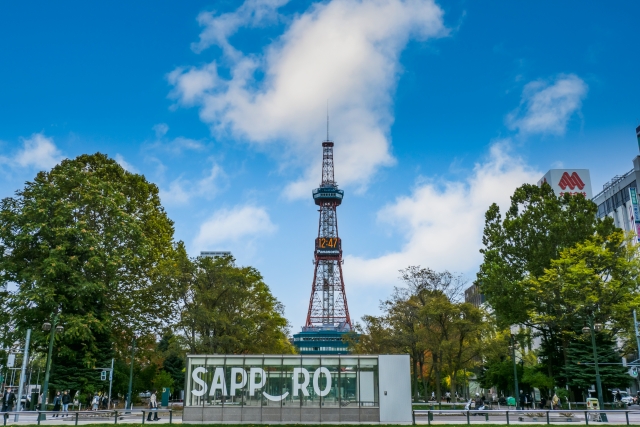
Odori Park runs 1.5 kilometers east-west through central Sapporo. In winter it hosts the Snow Festival’s enormous ice sculptures; in summer, beer gardens and flower displays. Year-round, it’s a pleasant place to slow down for 20–30 minutes before the afternoon stretch. The TV Tower at the east end is ¥1,000 to go up—views are fine, skip it unless you love observation decks.
For shopping, Tanukikoji is a covered seven-block arcade one block south of Odori Park—a mix of souvenir shops, local stores, and drugstores that’s more interesting and more local than the mall alternatives. Look for Royce chocolate (especially the nama/raw chocolate), Shiroi Koibito white chocolate cookies in collectible tins, and Hokkaido milk-based snacks. For department store browsing or serious shopping, the malls attached to Sapporo Station are five minutes away by subway.
One practical note: don’t buy heavy souvenirs at the morning market. Shop in the afternoon and use coin lockers at Sapporo Station (¥300–500) to store purchases before dinner.
4:30–6:00 PM — Beer Museum (Optional)
Sapporo Beer Museum is a free self-guided tour (about 30–40 minutes) in a preserved red-brick former brewery from 1890. Paid tastings run ¥500–800 for two or three beers. It’s worth the trip if beer history interests you or if you want a break before dinner. Getting there requires a 10-minute bus ride from Sapporo Station (Loop 88 Factory Line)—not walkable from the center.
If museums aren’t calling to you: go back to your hotel. You’ve been walking since 7am. A 45-minute rest before dinner is a legitimate and sensible strategy.
6:30–8:00 PM — Ramen Yokocho
Ganso Sapporo Ramen Yokocho has been running since 1951: a 42-meter alley in Susukino lined with 17 small ramen shops, each seating six to ten people, each doing their own version of Sapporo miso ramen. This is where the dish was codified. The alley is narrow enough that two people barely pass—paper lanterns, steam-fogged windows, the smell of miso broth from every direction.
Sapporo miso ramen means thick curly noodles in a rich pork-miso broth, typically topped with chashu, menma, and green onions. Butter and corn are optional additions that are more Hokkaido than they might sound—try them. Add a seasoned soft-boiled egg (ajitama, ¥100–150). Most shops use ticket machines: find the button for miso ramen, insert money, hand the ticket to staff when seated.
On choosing a shop: they’re all good. Sumire is the most famous and often has a queue. Shirakaba Sansō runs a lighter broth if you don’t want something too heavy after a full day. Peek in, pick one with an open counter seat, go. Don’t overthink it. Eat at the counter, slurp your noodles (expected and appreciated), leave when you’re done. Budget ¥900–1,300.
Subway: Susukino Station (Nanboku Line), 2-minute walk.
Budget Summary
Excluding shopping: ¥6,500–9,000. Subway day pass ¥830 (or ¥520 on weekends), breakfast ¥2,500–3,500, soup curry ¥1,300–1,800, ramen ¥900–1,300, snacks and drinks ¥500–1,000. Add ¥2,000–10,000 for souvenirs depending on how much Royce chocolate you think is too much (there is no correct upper limit).
Best Time to Visit
All four seasons have something going for them. Winter (December–February) makes the ramen and soup curry hit differently, and Hokkaido Shrine under snow is worth the cold layers. The Snow Festival runs in early February—extraordinary ice sculptures in Odori Park, but book accommodation months ahead. Summer (June–August) is comfortable walking weather with beer gardens in the park. Autumn (September–November) brings fall colors at the shrine and around Maruyama and is arguably the best season for this specific itinerary. Spring (late April–May) has Hokkaido cherry blossoms blooming later than the rest of Japan, with fewer crowds than summer.
Recommended Articles↓↓
- Apple Picking in Hirosaki: A Tohoku Day Trip Worth Making
- JR Pass Complete Guide 2026: Is It Worth It for Your Trip?
- Wanko Soba in Hanamaki: The Noodle Challenge Most Tourists Miss
FAQ: One Day in Sapporo
Is one day enough for Sapporo?
For the highlights, yes. This itinerary covers the three essential food experiences—fresh seafood breakfast, soup curry, and miso ramen—plus a shrine visit and some time to walk the city. You’ll leave with a genuine sense of what makes Sapporo different from anywhere else in Japan. If you want day trips to Otaru, hot spring visits to Jozankei Onsen, or more time exploring Hokkaido, plan for two or three days. But one full day, done well, is satisfying.
How do I get from New Chitose Airport to Sapporo?
The JR Rapid Airport train is the right choice: 37 minutes to Sapporo Station, ¥1,150, departing every 15 minutes from 6am to 11pm. It connects directly to the subway and drops you in the city center. Airport buses take 70–80 minutes and only make sense if your hotel is directly on the route. JR Pass holders ride the airport train for free.
What food should I absolutely try in Sapporo?
Three things: miso ramen at Ramen Yokocho (the original), kaisendon at Nijo Market (particularly uni ikura don if seafood is your thing), and soup curry at one of the central shops. These aren’t tourist-trap recommendations—they’re what Sapporo is actually known for, and all three are genuinely excellent.
What’s soup curry and how is it different from regular curry?
Soup curry originated in Sapporo in the 1970s. The consistency is much thinner than regular Japanese curry—closer to a spiced broth than a sauce—and the spice profile is different. It’s served with enormous vegetables (whole bell peppers, chunks of kabocha squash, eggplant) and your choice of protein. You customize everything including spice level. It’s warming, filling, and completely unlike anything on the mainland.
Do I need to speak Japanese in Sapporo?
Not essential. The subway system has English throughout, major restaurants have picture menus or English menus, and pointing works everywhere else. Google Translate’s camera function handles Japanese-only menus well. Ticket machines at ramen shops and soup curry restaurants are straightforward with pictures. Basic phrases (kore kudasai = this please, arigato gozaimasu = thank you) are appreciated but not required.
Can I do this itinerary in winter?
Absolutely—and some parts are better in winter. Ramen and soup curry both taste more satisfying in cold weather, and the shrine through snow is genuinely beautiful. Dress properly: thermal layers, insulated jacket, waterproof boots with grip, hat and gloves. Sapporo handles winter well with heated sidewalks in shopping areas. If your visit falls in early February, check Snow Festival dates—the Odori Park ice sculptures are spectacular but the crowds are enormous, and hotels fill up months in advance.
How much money do I need for one day in Sapporo?
Budget around ¥8,000–10,000 for a comfortable day covering transport, the three main meals, and small snacks. Add ¥2,000–8,000 if you’re buying souvenirs—Royce chocolate, Shiroi Koibito cookies, and Hokkaido milk snacks are the obvious choices. Beer Museum tasting adds ¥500–800 if you go.
What’s the best soup curry restaurant in Sapporo?
Garaku is the most famous and consistently reliable—rich broth, generous portions, English menu, usually a queue at lunch. Suage+ near Sapporo Station is a good alternative if you want something slightly lighter. Picante has multiple locations and is solid without the tourist spotlight. Any of the three works for a first visit; the differences are subtle and mostly come down to soup base weight and spice style.
Last updated: May 2026. Prices, opening hours, and shop availability subject to change. Subway day pass ¥830 (regular) / ¥520 (Donichika, weekends and holidays). Snow Festival dates announced approximately 6–8 months ahead—check the official Sapporo Snow Festival website if visiting January–February.