Quick answer: Give Kyoto at least 2 full days. Start early: Fushimi Inari at sunrise, Kiyomizu-dera and Gion on day one, Arashiyama and Kinkaku-ji on day two. Use the subway and trains instead of crowded city buses, carry an IC card, and respect local rules in Gion. Since March 2026, Kyoto’s hotel tax is higher, so check your booking.
Kyoto in 2 Days: A Simple Plan
| Morning | Afternoon | Evening | |
|---|---|---|---|
| Day 1 | Fushimi Inari (go early) | Kiyomizu-dera, Sannenzaka and Ninenzaka slopes | Gion and Yasaka Shrine |
| Day 2 | Arashiyama bamboo grove and Tenryu-ji | Kinkaku-ji (Golden Pavilion) | Nishiki Market area and Pontocho |
With a third day, add a half-day trip to Nara for Todai-ji and the deer park.
The Big Sights and When to Go
- Fushimi Inari Taisha: thousands of red torii gates up the mountain. Open 24 hours. Go at sunrise or late afternoon, and walk past the first crowded section. Right by JR Inari Station
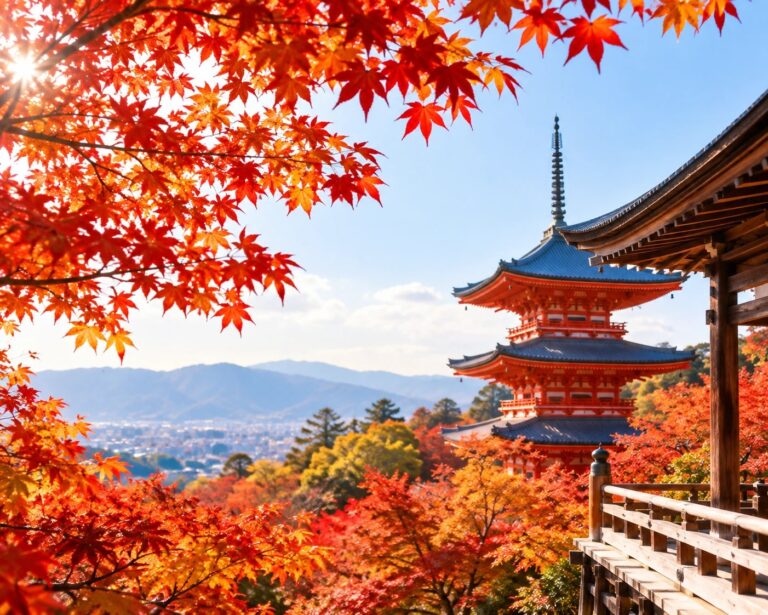
- Kiyomizu-dera: the wooden stage above the city. Walk up through the old slopes of Sannenzaka and Ninenzaka
- Arashiyama: the bamboo grove is calm only early in the morning. Pair it with Tenryu-ji temple and the river
- Kinkaku-ji: the Golden Pavilion, in the north of the city. Allow travel time
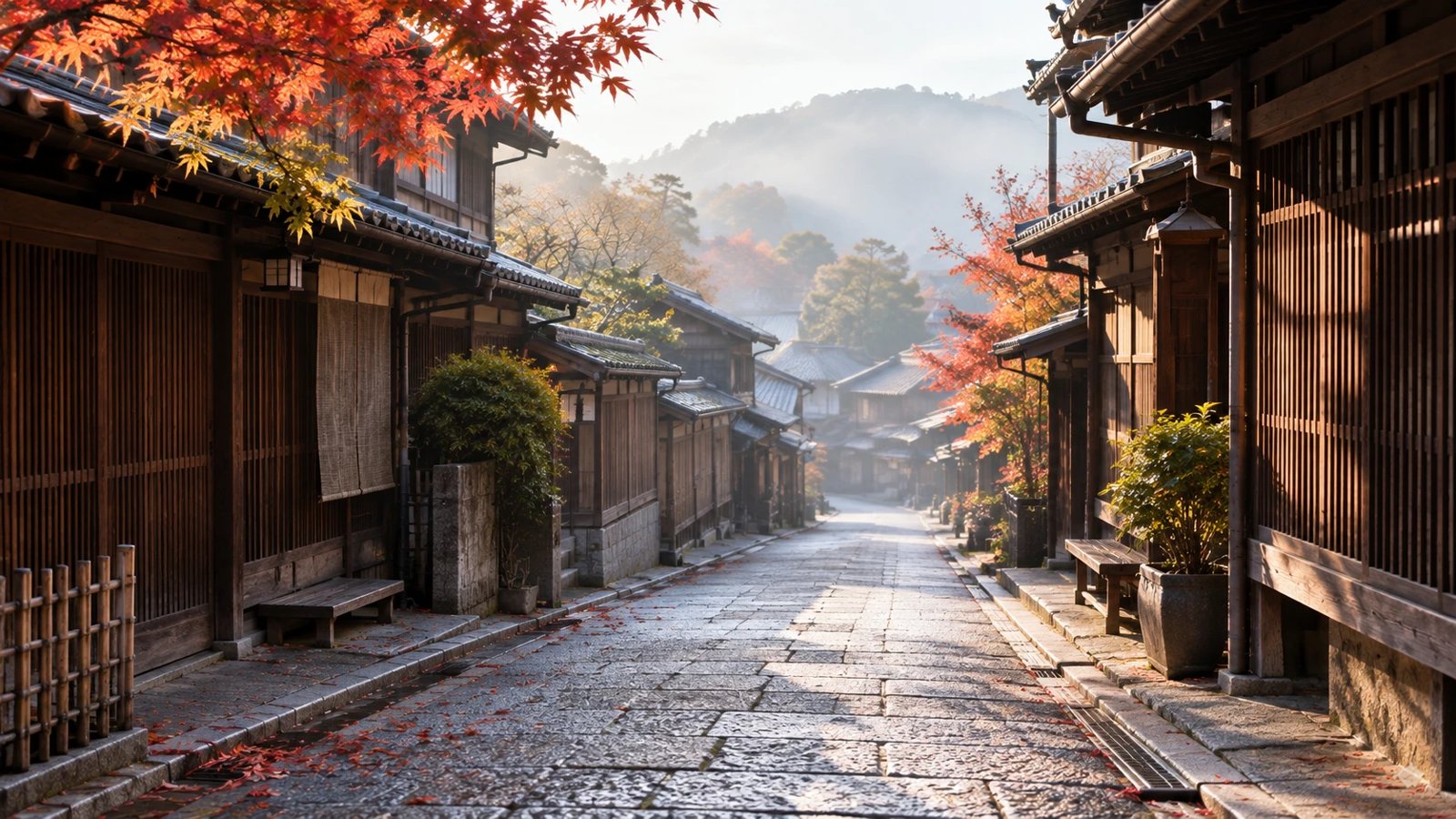
- Gion: the old geisha district. Best at dusk
Getting Around Kyoto
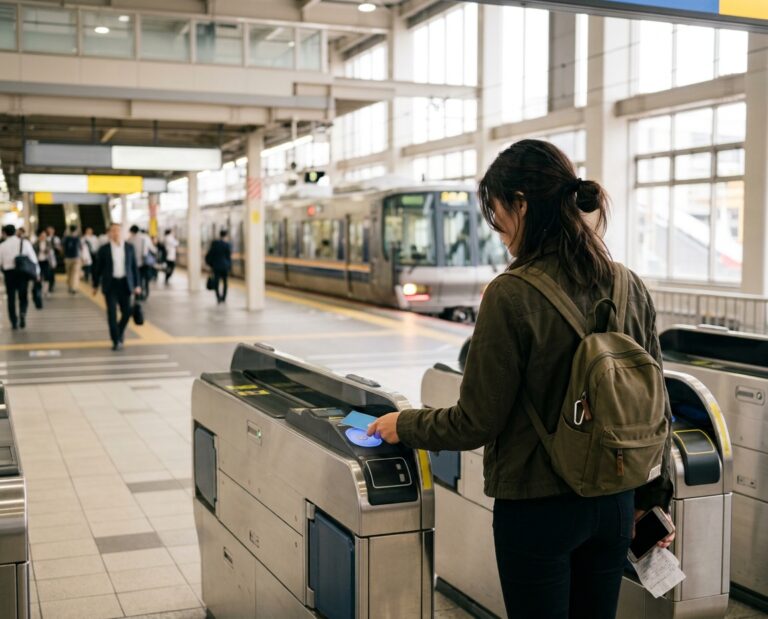
- Use trains and the subway first: JR, Keihan, Hankyu and the two subway lines are faster than buses during busy seasons
- City buses get very crowded, especially to Kiyomizu-dera and Kinkaku-ji. Avoid them with large luggage
- The old ¥700 bus-only day pass is gone. The current Subway & Bus One-Day Pass is ¥1,100 for adults. It only pays off if you ride a lot, so an IC card is often cheaper
- Walk: Gion, Higashiyama and the slopes to Kiyomizu-dera are close together
Local Rules to Know
- Gion: some private lanes are closed to tourists, and signs warn of fines. Stay on public streets
- Never chase or photograph geiko and maiko without permission. They are working, not posing
- Don’t eat while walking in busy shopping streets. Eat at the shop or step aside
- Photos: many temple halls don’t allow photos inside. Follow the signs
Kyoto’s Hotel Tax Went Up in March 2026
| Room price per person per night | Tax per person per night |
|---|---|
| Under ¥6,000 | ¥200 |
| ¥6,000 to ¥19,999 | ¥400 |
| ¥20,000 to ¥49,999 | ¥1,000 |
| ¥50,000 to ¥99,999 | ¥4,000 |
| ¥100,000 and up | ¥10,000 |
It’s usually paid at the hotel, so check whether your booking price includes it.
Best Time to Visit
- Spring (late March to early April): cherry blossoms, very crowded
- Autumn (late November to mid December in 2026): red maples. The 2026 forecast puts Kyoto’s peak around December 11
- Winter and early summer: fewer crowds, but summer is very hot and humid
FAQ
Is Kyoto a good day trip from Tokyo?
It’s possible by shinkansen, but you’ll only see one or two places. Staying at least one night is much better.
Should I stay in Kyoto or Osaka?
Stay in Kyoto for early starts at temples. Stay in Osaka for food and nightlife; it’s about 15 to 45 minutes away by train, depending on the line.
Can I use Suica in Kyoto?
Yes. Major IC cards work on Kyoto’s trains, subway and buses.
Recommended Articles
- Riding Japan’s Bullet Train: Everything You Need to Know About the Shinkansen
- Is the JR Pass Worth It in 2026? Honest Guide to Japan’s Rail Pass
- Japanese Ryokan Guide: What to Expect, Onsen Etiquette & Kaiseki
Planning a trip to Japan? We share one practical Japan tip every day on Threads: local restaurants most visitors walk past, culture explained, and what to do when things go wrong.