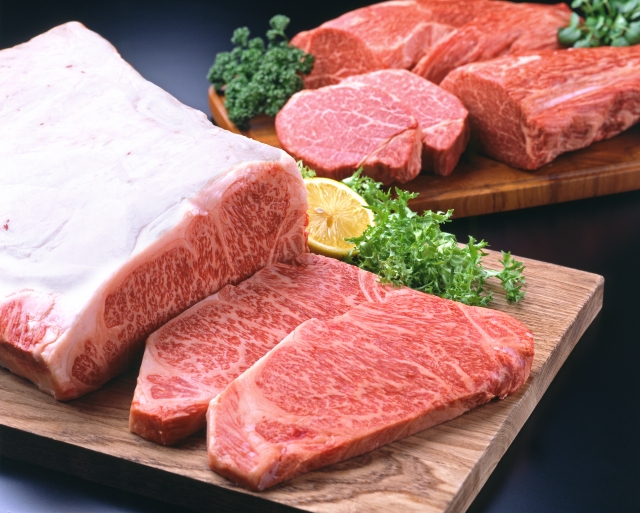
The first time I watched an A5 wagyu steak being grilled — that intricate white marbling against deep pink meat, the fat beginning to glisten — I understood why people plan entire trips around eating this beef. When I finally took a bite, it wasn’t like any beef I’d experienced before. It melted. Literally melted on my tongue, releasing this sweet, rich, almost buttery flavor that lingered pleasantly. I’d assumed expensive beef was mostly marketing hype. Then I tried proper wagyu.
Yes, it’s expensive. A meal can easily run ¥10,000–30,000+ per person. But it’s not just food — it’s experiencing decades of breeding refinement, meticulous raising methods, and Japanese craftsmanship applied to beef. This guide explains what makes wagyu special, the famous regional brands, the grading system, where to eat it, and how to order without feeling lost.
What Actually Makes Wagyu Special
Wagyu (和牛) literally means “Japanese cow” — wa for Japanese, gyu for cow or beef. It’s not one breed but primarily four: Japanese Black (Kuroge Washu, the most common at about 95%), Japanese Brown, Japanese Shorthorn, and Japanese Polled.
The defining characteristic is marbling (霜降り, shimofuri) — intricate white fat patterns threaded through the muscle. This intramuscular fat melts at a lower temperature than standard beef (around 25°C/77°F), which creates that legendary melt-in-your-mouth texture. It’s not a figure of speech. The fat genuinely liquefies at body temperature.
Several factors combine to produce this:
Genetics: Bred specifically for marbling across generations. Raising period: 28–30 months versus 18–20 months for standard beef. Diet: Specific feed formulas — rice straw, corn, barley, wheat bran. Environment: Individual attention, low-stress conditions, comfortable living quarters.
The result is beef that tastes rich, buttery, and intensely umami. The fat doesn’t taste greasy — it tastes almost like butter. And it’s so rich that 100–150g is genuinely sufficient. More feels like too much of a good thing.
The Grading System
Japan uses a dual system. The first part is a yield grade — A (72%+ usable meat), B, or C. The second is a quality grade from 1 to 5, based on marbling, color, firmness, and fat quality.
A5 is the top tier: highest yield and highest quality. A4 is excellent with slightly less marbling. A3 is good wagyu at more accessible prices.
There’s also a BMS (Beef Marbling Score) from 1–12. BMS 8–12 falls in A5 territory. BMS 4–7 is typically A4. BMS 1–3 is A3 range.
When spending serious money, ask to see the authenticity certificate. Certified restaurants often display these on their walls. Some Kobe beef restaurants receive a bronze cow statue as official certification.
Famous Wagyu Brands by Region
| Brand | Region | Character | Price Range |
|---|---|---|---|
| Kobe Beef (神戸ビーフ) | Hyogo Prefecture | Most internationally famous; strict BMS 6+ standards; less than 0.2% of Japan’s total beef | ¥10,000–30,000+/person |
| Matsusaka Beef (松阪牛) | Mie Prefecture | Many Japanese consider this the best — intensely marbled, sweet fat; only virgin females, 30+ months raising | ¥10,000–25,000+/person |
| Omi Beef (近江牛) | Shiga Prefecture | Japan’s oldest wagyu brand (400+ years); subtle, refined flavor; fed with sake lees | ¥8,000–20,000/person |
| Hida Beef (飛騨牛) | Gifu Prefecture | Excellent quality, less internationally known, best value of the major brands | ¥6,000–15,000/person |
| Miyazaki Beef (宮崎牛) | Kyushu | Multiple national competition winner; rising star | ¥8,000–20,000/person |
One honest note: Kobe has prestige and history, but Matsusaka, Omi, Hida, and Miyazaki are equally extraordinary. “Best” wagyu is subjective. Don’t skip non-Kobe options assuming they’re inferior — you might actually prefer another region’s flavor profile, and you’ll almost certainly pay less.
How to Eat Wagyu
There are several ways to experience wagyu in Japan, each with a different feel and price point.
Yakiniku (焼肉) — DIY grilling at your table over charcoal or gas. You cook the meat yourself, dip in tare sauce or salt, eat with rice and vegetables. It’s interactive and fun, and generally more affordable than teppanyaki (¥5,000–15,000/person for wagyu cuts). The risk is overcooking expensive meat — high-grade wagyu needs only 10–20 seconds per side. Fat should be translucent, not white. Popular cuts: karubi (short rib, fatty), rosu (loin, balanced), hire (tenderloin), tan (tongue).
Teppanyaki (鉄板焼き) — A chef cooks on a flat iron grill directly in front of you. More formal, more expensive (¥15,000–40,000+/person), no risk of ruining the meat. For a first wagyu experience, this is worth considering — the chef knows exactly how to treat each grade and cut.
Sukiyaki (すき焼き) — Thin-sliced beef simmered in sweet soy broth with vegetables, tofu, and noodles. Dip in raw egg (optional but traditional). The fat enriches the soup. Communal, warming, a winter classic. ¥8,000–20,000/person.
Shabu-shabu (しゃぶしゃぶ) — Clear broth, swish the meat for 1–2 seconds (the name comes from the swishing sound). Lighter and cleaner than sukiyaki. Ponzu or sesame sauce. You control doneness precisely. Fat melts beautifully into the broth.
Other formats: wagyu donburi (rice bowl, more affordable), wagyu sushi/sashimi at upscale sushi restaurants, wagyu curry (rich and indulgent).
Where to Eat Wagyu
High-end Tokyo restaurants: Kobe Beef Dining Wagyu Tok in Shinjuku (certified Kobe, elegant atmosphere), Yakiniku Motoyama in Okachimachi (A5 Black Wagyu including Kobe, around ¥8,000 average). Reservations essential — book weeks or months ahead. Expect ¥15,000–50,000+ per person.
Mid-range yakiniku: Gyukaku (nationwide chain, decent quality, accessible pricing), Toraji (solid quality, reasonable prices). Walk-ins often possible, picture menus, casual atmosphere. ¥3,000–8,000/person. Won’t be A5 Kobe, but a solid introduction to yakiniku style.
Department store restaurants: Top floors of major department stores often have reliable mid-range wagyu options. Tourist-friendly (pictures, some English), ¥5,000–15,000/person.
Source regions: Visit where the beef actually comes from — Kobe city, Matsusaka in Mie, Takayama in Gifu (Hida beef). Local restaurants often offer better prices than Tokyo, guaranteed authenticity, and a more immersive experience. In Kobe: Mouriya and Steakland Kobe are well-established options (¥8,000–30,000).
Lunch sets: Many high-end restaurants offer lunch at significantly lower prices than dinner — same kitchen, same quality, better value.
Practical Ordering Tips
Key terms to know: wagyu (和牛) = Japanese beef; A5 (エーファイブ) = top grade; karubi (カルビ) = short rib; rosu (ロース) = loin; hire (ヒレ) = tenderloin; tan (タン) = tongue.
Set courses vs. à la carte: First time, go with the set course (コース). Chef’s selection, multiple cuts, sides included, usually best value. À la carte gives more control but costs more.
How much to order: 100–150g per person is genuinely enough. Variety beats quantity — try different cuts rather than loading up on one. You can always order more.
Sauce: Go easy. Too much sauce masks the beef’s natural flavor. Salt is often the better choice with high-grade wagyu.
Drinks: Red wine (classic), Japanese whisky highball (cuts through the fat nicely), cold beer, sake (surprisingly good), or green tea as a palate cleanser.
Verify authenticity: Ask to see the certificate if you’re spending serious money. Real wagyu restaurants display them. Red flags: “wagyu-style,” “Kobe-style,” prices that seem too good.
Common Mistakes
Overcooking is the biggest one. A5 wagyu needs barely any time on heat — a quick sear. Ordering too much is the second mistake; 100g is plenty. Don’t fill up on rice before the meat arrives. And don’t assume Kobe is automatically better than other regions — it isn’t.
Japanese Alcohol Guide: Sake, Shochu and More
Japanese Convenience Stores: The Complete Konbini Guide
FAQ: Japanese Wagyu
What makes Japanese wagyu different from regular beef?
The intramuscular fat (marbling) is the key difference. Wagyu cattle are bred specifically for this over generations, raised for 28–30 months on specific feed in low-stress conditions. The marbling fat melts at around 25°C — body temperature — which is why wagyu genuinely melts in your mouth rather than needing to be chewed. The flavor is sweet, rich, and intensely umami with no gamey notes.
What’s the difference between Kobe beef and wagyu?
Wagyu is all Japanese beef. Kobe beef is a specific type of wagyu from Tajima cattle raised in Hyogo Prefecture, meeting strict standards (BMS 6+, specific weight thresholds, born and processed in Hyogo). All Kobe beef is wagyu, but wagyu encompasses many regional brands — Matsusaka, Omi, Hida, Miyazaki, and others. Kobe is the most internationally recognized but not universally considered the best.
What is A5 wagyu?
A5 is the highest grade in Japan’s dual grading system. “A” means the carcass yields 72%+ usable meat. “5” is the top quality score based on marbling, color, firmness, and fat quality. The Beef Marbling Score (BMS) for A5 ranges from 8–12, meaning the fat is distributed throughout almost every part of the muscle. It’s the most tender, flavorful, and expensive wagyu available.
How much does wagyu cost in Japan?
High-end restaurants: ¥10,000–40,000+ per person. Mid-range yakiniku: ¥5,000–10,000. Budget introductions at casual chains: ¥3,000–5,000. Lunch sets at premium restaurants are often significantly cheaper than dinner. Visiting source regions (Kobe, Matsusaka, Takayama) can mean better prices than Tokyo for the same quality.
Is wagyu worth the price?
For one special meal per trip, yes — genuinely. It’s an experience that doesn’t compare to any other beef. The key is not over-ordering (100–150g per person is sufficient; richness goes further than you expect) and choosing the right format (yakiniku or lunch sets for better value). Plan it as a splurge experience rather than an everyday meal.
Where is the best wagyu in Japan?
There’s no definitive answer. Kobe has the most prestige and international name recognition. Many Japanese beef connoisseurs favor Matsusaka from Mie Prefecture for its intense marbling and sweet fat. Hida beef from Gifu offers excellent quality at better prices. For the freshest, most authentic experience, eating in the source region usually beats eating the same brand in Tokyo.
Can I get real wagyu outside Japan?
Some countries import authentic wagyu, but it’s typically 2–3 times more expensive than in Japan, and the freshness and quality are generally lower. Most “wagyu” sold internationally is crossbred or labeled misleadingly. Japan is the right place to eat it.
Last updated: May 2026 | Prices based on 2025–2026 restaurant information. Prices and availability change — always verify directly with restaurants. Confirm authenticity certificates when purchasing premium wagyu.