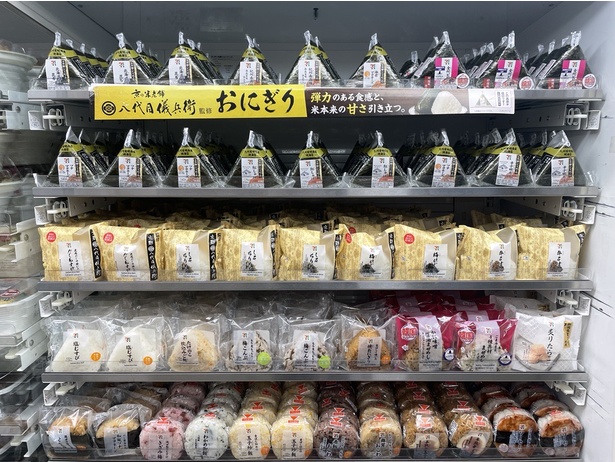
7-Eleven, 7 AM, somewhere in Tokyo. I’m staring at a refrigerated case with 30+ triangular packages, all labeled in Japanese, ranging from ¥148 to ¥300. These are onigiri—rice balls wrapped in seaweed—and they’re about to become either your favorite Japanese discovery or a confusing breakfast mistake.
Here’s what nobody tells you: convenience store onigiri in Japan aren’t just acceptable budget food. They’re genuinely good. The rice is perfectly seasoned. The fillings are flavorful. The engineering of the wrapper (yes, engineering) keeps the seaweed crispy until you open it. At ¥150-200 for standard varieties, they’re cheaper than almost anything else you’ll eat in Japan, and they’re available 24/7 at the 55,000+ convenience stores across the country.
But first, you need to know which flavors to try, how much they actually cost in 2026, how to open them without destroying everything, and what to do with them beyond eating straight from the package. This is your complete guide to mastering Japanese convenience store onigiri.
What Exactly Is Onigiri?
Onigiri (おにぎり), also called omusubi (おむすび), is a rice ball — triangle or cylinder shaped, filled with various ingredients, wrapped in nori (seaweed). It’s not sushi (which uses vinegared rice and raw fish), not mochi (rice cake), and not the Hawaiian musubi, though they share distant roots. Onigiri is traditional portable food dating back centuries — a lunch box staple, comfort food, symbol of home cooking — now perfected by convenience stores through industrial precision.
What makes the konbini version special is the wrapper. A clever three-strip design keeps the nori completely separate from the rice until the moment you open it, so the seaweed stays crispy every time. The rice is cooked with subtle salt seasoning, the fillings are properly flavored, and unsold stock gets discarded daily. At ¥150-200, it’s exceptional value — and a genuine example of Japanese quality thinking applied to a ¥150 product.
2026 Price Reality: What Onigiri Actually Costs
Prices went up in early 2026. 7-Eleven raised onigiri prices in February due to rising rice costs, with standard hand-rolled varieties now running ¥182-197 including tax — up from ¥130-150 in 2024. That’s a significant jump, but onigiri still beats everything else at the konbini for value.
Here’s how pricing breaks down across the main categories:
| Type | Price (incl. tax) | Examples |
|---|---|---|
| Standard (hand-rolled) | ¥160–197 | Tuna mayo, salmon, umeboshi |
| Budget mixed rice | ¥138–160 | Fried rice, wakame rice, multigrain |
| Premium | ¥250–300 | Ikura, negitoro, mentaiko |
| Frozen (FamilyMart) | ¥198 | Various flavors, microwave from frozen |
For context: a konbini sandwich runs ¥250-350, a bento box ¥500-700. Two onigiri plus a drink comes in under ¥500 — still the cheapest filling meal you’ll find in Japan.
Types and Varieties: What to Try First
The Classics (Start Here)
Tuna Mayo (ツナマヨ) — ¥182: The #1 bestseller across all chains. Tuna mixed with Japanese mayo — slightly sweet, creamy, mild. The safe choice for first-timers, and genuinely delicious.
Salmon (鮭/Shake) — ¥165–182: Salted grilled salmon flakes. Savory, slightly salty, umami-rich. The classic breakfast onigiri.
Umeboshi (梅) — ¥160–170: Pickled plum. Sour, salty, intense. A love-it-or-hate-it flavor — worth trying once.
Kombu (昆布) — ¥150–165: Simmered kelp. Savory and subtle, one of the few vegetarian options. Underrated.
Okaka (おかか) — ¥155–170: Bonito flakes with soy sauce. Strong umami, traditional flavor, flaky texture.
Premium Varieties (¥200–300)
Ikura (いくら): Salmon roe that pops in your mouth. Briny and luxurious — worth it as an occasional treat. Negitoro (ねぎとろ): Minced fatty tuna, smooth and rich. Sushi-quality filling at konbini prices. Mentaiko (明太子): Spicy cod roe, a Fukuoka specialty — great if you like heat.
Budget Mixed Rice (¥138–160)
These became more popular after the 2026 price increases. Fried rice onigiri (チャーハン) is garlicky and savory; wakame rice is light and simple; multigrain varieties add a chewy texture. No crispy nori layer, but filling and cheap.
The Wrapper Opening Technique
This is the skill that separates confident onigiri eaters from confused tourists standing outside a konbini with rice on their shirt.
Look for the numbers ① ② ③ printed on the wrapper. Then:
- Pull strip ① straight down from the top center.
- Hold the onigiri upright, gripping the left and right sides of the remaining wrapper.
- Pull strips ② and ③ simultaneously — gently outward and down.
- The plastic separates; the nori wraps itself around the rice automatically.
- Remove any remaining plastic. Done.
Total time: about 10 seconds once you’ve practiced. First attempt will probably be messy — that’s normal. By your third onigiri you’ll have it down.
Common mistake: Pulling all strips at once, or pulling too hard. Go slowly, follow the numbers, and use gentle steady pulls.
When and How to Eat
Onigiri is casual food — no rules. Eat with your hands, bite from the corner or side, eat over the wrapper to catch crumbs. Morning stock arrives fresh; late evening usually sees a restock too. Good spots: konbini seating area, a park bench, your hotel room, or honestly just while walking — onigiri is one of the few foods where that’s perfectly acceptable in Japan.
A simple konbini meal that works well: two onigiri (¥300-400) + karaage chicken (¥200) + green tea (¥150) = under ¥750 and genuinely satisfying.
Creative Hacks Worth Knowing
A few things that take onigiri from good to better: grab a packet of furikake (rice seasoning, ¥100-200) from the same konbini and sprinkle it over the rice after opening. Use the free soy sauce packets at the counter — a light drizzle adds depth. To warm your onigiri, remove all plastic and seaweed first, wrap the rice in a paper towel, and microwave 20-30 seconds at 500W.
The “onigiri bowl” hack: buy two or three, unwrap completely, break them into a bowl, add konbini toppings like kimchi or seaweed salad, and mix. Instant DIY donburi.
Which Convenience Store Is Best?
| Chain | Price Range | Known For |
|---|---|---|
| 7-Eleven | ¥148–300 | Largest selection, most innovative flavors, premium Gold series |
| FamilyMart | ¥148–280 | Comfort classics, larger portions, new frozen line (2026) |
| Lawson | ¥148–300 | Premium and healthy options, smallest 2026 price increase |
Honestly, quality is similar across all three. The best strategy is to try all of them and develop your own preference. Tuna mayo is the #1 seller at every chain — a useful data point if you’re indecisive.
Recommended Articles↓↓
FAQ
What is onigiri and how is it different from sushi?
Onigiri is a rice ball with filling wrapped in seaweed, made with plain salted rice. Sushi uses vinegared rice, often with raw fish, and is a restaurant food costing ¥1,000+. Onigiri is casual, cheap (¥150-200), and eaten as a snack or quick meal. Both involve rice but they’re completely different foods.
How do I open a Japanese onigiri wrapper?
Follow the numbers on the wrapper: pull strip ① straight down, then pull strips ② and ③ simultaneously outward and down. The plastic comes away cleanly and the seaweed wraps itself around the rice. Takes about 10 seconds once practiced. First attempts are often messy — that’s normal.
What are the best onigiri flavors for first-timers?
Start with tuna mayo (ツナマヨ) — it’s the #1 seller nationwide for good reason. Salmon (鮭) is a close second and more traditional. Once you’re comfortable, try okaka (bonito flakes) for a classic umami flavor, or umeboshi (pickled plum) if you want something adventurous and sour.
How much does onigiri cost in 2026?
Standard varieties run ¥160-197 including tax after February 2026 price increases. Budget mixed rice styles are ¥138-160; premium fillings like ikura or negitoro go up to ¥250-300. Despite the increases, two onigiri still comes in well under ¥400 — cheaper than any alternative at the konbini.
Are there vegetarian onigiri options?
A few: kombu/kelp (昆布), umeboshi/pickled plum (梅), and plain salt (塩) are the most reliably vegetarian. Be aware that many onigiri use dashi (fish stock) in the rice itself, so strictly vegan options are limited. Plain salt is the safest bet.
Can I microwave onigiri?
Yes — remove all plastic and seaweed first, wrap the rice in a paper towel, and microwave 20-30 seconds at 500W. FamilyMart also introduced a frozen onigiri line in 2026 (¥198) specifically designed for microwave heating, which is worth trying.
Which convenience store has the best onigiri?
Quality is similar across 7-Eleven, FamilyMart, and Lawson. 7-Eleven has the widest selection; FamilyMart leans toward comfort classics; Lawson has more premium and health-oriented options. Try all three and see what suits you — the chain near your hotel is usually the right answer.
Why did onigiri prices increase so much in 2026?
A global rice shortage pushed up costs in Japan, and 7-Eleven raised prices in February 2026 by around ¥50 on average. Other chains followed. The industry responded with budget alternatives — mixed rice varieties at ¥138-148 and FamilyMart’s frozen line at ¥198. Onigiri is still the best value food at any konbini despite the increases.
ℹ️ All information current as of March 2026. Prices include consumption tax. February 2026 price increases reflected. Varieties vary by season and region.