The first time I walked into an izakaya in Tokyo and the server rattled off a list of drinks, I had absolutely no idea what I was ordering. Sake? Shochu? Highball? I just nodded and pointed. If that sounds familiar, this guide is for you.
Here’s the short answer: sake (日本酒, nihonshu) is a brewed rice wine around 15% ABV, shochu (焼酎) is a distilled spirit at 20–35%, and Japanese whisky is a world-class aged spirit. But there’s a lot more worth knowing before your first round at an izakaya.
Wait — What Does “Sake” Actually Mean?
Here’s something that trips up a lot of visitors: in Japanese, sake (酒) just means “alcohol” in general. The rice wine you’re probably thinking of is called nihonshu (日本酒) — literally “Japanese alcohol.” So when a Japanese person asks what sake you want, they mean any drink.
Outside Japan, “sake” = rice wine. Inside Japan, it’s everything. Keep that in mind when ordering.
Nihonshu (Japanese Rice Wine): What You Need to Know
Nihonshu is brewed from rice, water, and koji mold. The result is usually somewhere between 13–16% ABV — stronger than beer or wine, but smooth enough to sip warm or cold.
The main types you’ll see on menus:
- Junmai (純米) — Pure rice, nothing added. Earthy, full-bodied. Great warm.
- Ginjo (吟醸) — Highly polished rice. Fruity and fragrant. Best served chilled.
- Daiginjo (大吟醸) — Top tier. Complex, delicate, often expensive.
- Nigori (にごり) — Unfiltered, cloudy. Creamy and slightly sweet.
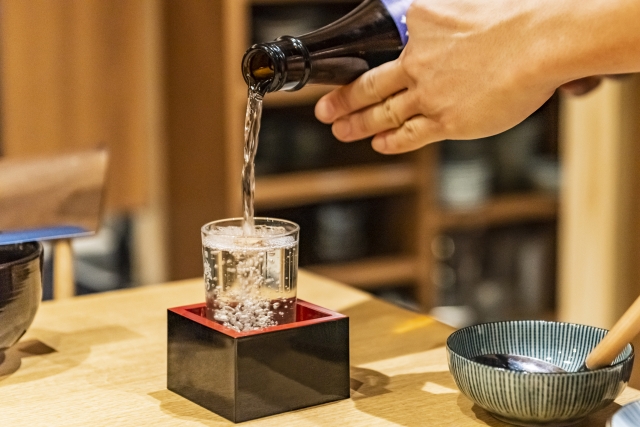
- Sparkling sake — Newer style, bubbly and easy to drink. Great entry point.
One beginner-friendly move: at Tokyo Station, check out Hasegawa Saketen — staff speak English and can help you choose based on your taste preferences.
Shochu (焼酎): Japan’s Most-Drunk Spirit
Shochu often gets overlooked by tourists, which is a shame because it’s everywhere and incredibly versatile. It’s distilled (not brewed), so it’s stronger — usually 25–35% ABV — but it’s almost always served mixed.
Common ways to drink shochu:
- Mizuwari (水割り) — Mixed with cold water. Classic and easy.
- Oyuwari (お湯割り) — Mixed with hot water. Great in winter.
- On the rocks — Straight over ice. Better for premium varieties.
Shochu is made from different base ingredients — sweet potato (imo), barley (mugi), rice (kome), or buckwheat — and each gives a distinct flavor. Kyushu is the heartland of shochu, especially Kagoshima’s sweet potato variety.
Chuhai and Highballs: The Easy-Drinking Options
If nihonshu and shochu sound intimidating, start here.
Chuhai (チューハイ) is shochu mixed with soda and fruit flavoring — lemon, peach, grapefruit, yuzu. You’ll find it in every convenience store in cans for around ¥150–200. Strong Zero (9% ABV) is the notorious one; Horoyoi (3%) is the gentle version.
Highball (ハイボール) is whisky and soda water. Dry, refreshing, and wildly popular since a resurgence in the 2000s. Order one at any izakaya and you’ll fit right in.
Umeshu (梅酒): The One for People Who Don’t Like Alcohol
Umeshu is plum wine — Japanese ume plums steeped in shochu with sugar. It’s sweet, fruity, and around 10–15% ABV. Almost everyone likes it, including people who generally avoid alcohol.
Order it on the rocks (rokku de) or with soda (soda de). It also makes a great souvenir — comes in beautiful bottles and keeps well.
Japanese Whisky: Surprisingly World-Class
Japan got serious about whisky in the 1920s and now produces some of the most awarded bottles on the planet. Yamazaki, Nikka, and Hakushu are the big names, but they’re not cheap — especially after global demand exploded.
If you want to try Japanese whisky without committing to a full bottle, order a highball at a good bar. It’s the most affordable way to appreciate the flavor.
Awamori (泡盛): Okinawa’s Own Spirit
Awamori is Okinawa’s local distilled spirit, made from long-grain Thai rice — a legacy of Okinawa’s history as a trading hub. It’s stronger than shochu (30–40% ABV) and often aged in clay pots. The flavor is earthy and smooth with tropical undertones.
If you’re visiting Okinawa, try brands like Zuisen (瑞泉) or Zanpa (残波). Both are available at Naha Airport if you want to take some home.
Where to Drink in Japan
The easiest starting point is any izakaya (居酒屋) — Japan’s version of a pub. Food comes alongside drinks, and nobody judges you for asking what something is. Most have picture menus or some English support.
For nihonshu specifically, sake bars (酒バー) offer curated selections with staff who can guide you. In Tokyo, Shimomiya in the west of the city carries over 200 varieties. In Ginza, Sasahana is a higher-end option.
And yes — convenience stores sell perfectly decent sake, shochu, and chuhai. The 7-Eleven and Lawson selections are surprisingly solid for a pre-dinner drink.
Quick Etiquette Reminders
- Always wait for kanpai (乾杯) before drinking.
- Don’t pour your own drink — pour for others and let someone pour for you.
- It’s fine to say you don’t drink: “Osake wa daijoubu desu” (I’m fine without alcohol).
- The legal drinking age in Japan is 20 (changing to 18 is occasionally discussed but not in effect as of 2026).
Recommended Articles↓↓
- Best Japanese Convenience Store Foods — where to find chuhai and snacks to pair
- Tokyo Day Trip Guide — plan your time around izakaya dinners
FAQ
What’s the difference between sake and shochu?
Sake (nihonshu) is a brewed rice wine at around 15% ABV, while shochu is a distilled spirit at 25–35% ABV. Sake is often sipped from small cups; shochu is usually mixed with water or soda.
Is sake served hot or cold?
Both, depending on the type. Junmai is often enjoyed warm (called atsukan), while ginjo and daiginjo are usually chilled. There are actually named temperature levels in Japanese sake culture — from “snow-chilled” to “piping hot.”
What should a first-time visitor order at an izakaya?
A draft beer (nama biiru) or a lemon sour chuhai is the easiest start. If you want to try nihonshu, ask for something fruity and chilled — most staff will point you toward a ginjo.
Where can I buy sake to take home from Japan?
Department stores and specialty liquor shops have the best selection. Convenience stores work fine for everyday bottles. Airports also carry popular brands but at a premium.
What is chuhai?
Chuhai is a canned (or bar-made) drink of shochu and soda with fruit flavoring. It ranges from 3% to 9% ABV and comes in dozens of flavors. It’s one of Japan’s most popular everyday drinks.
What makes Japanese whisky different?
Japanese distilleries follow Scottish methods closely but use local water and climate, producing a smoother, more delicate flavor than many Western whiskies. Brands like Yamazaki and Nikka have won top international awards.
Can I visit a sake brewery in Japan?
Yes — many breweries offer English-friendly tours and tastings. Good options include breweries in Nikko (Watanabesahei, est. 1842), Niigata, and Yamanashi’s Kofu basin. The Japan Sake & Shochu Information Center in Tokyo’s Nishi-Shinbashi is also excellent for an introductory tasting.
Information current as of April 2026. Prices and availability may vary. Always drink responsibly.